
Faded asphalt, surface deterioration, and frequent vehicle traffic can affect pavement appearance and maintenance requirements. Northern Element Contractors provides sealcoating in Toronto for commercial parking lots, industrial facilities, residential driveways, and other paved areas requiring preventive protection.
Toronto’s freeze-thaw cycles, road salt, summer heat, and regular traffic contribute to pavement ageing. Proper sealcoating helps preserve structurally sound asphalt, restore a uniform finish, and reduce surface wear when existing damage has been addressed.
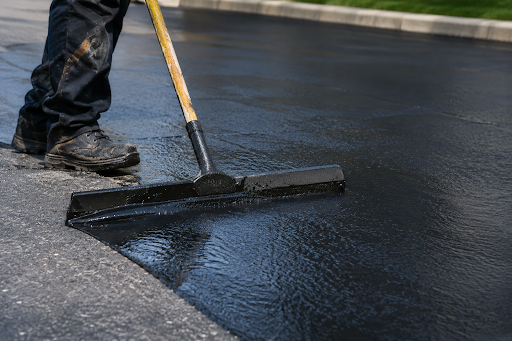
Effective pavement protection begins with assessing surface conditions, removing contaminants, and completing necessary repairs before coating. Treatment selection depends on pavement age, traffic exposure, existing coatings, and application requirements.
Protective coatings help maintain pavement appearance, reduce weather-related surface wear, and support preventive maintenance.

Parking lot sealcoating in Toronto helps protect asphalt against moisture exposure, frequent vehicle traffic, and surface wear. Proper coating application creates a more consistent finish across parking stalls, drive aisles, and vehicle entrances.
Rainwater, melting snow, sunlight, and temperature fluctuations can accelerate surface ageing. Protective coatings help limit environmental exposure, while crack repairs and drainage maintenance address conditions that allow water to reach underlying pavement layers.
Preventive coatings can help preserve stable pavement by protecting its exposed surface against gradual weathering. Suitable treatments, combined with regular inspections, support longer-term pavement care without replacing structural repairs.
Driveway sealcoating in Toronto can refresh faded pavement and create a more uniform surface finish. Proper cleaning, crack treatment, and suitable application conditions help improve coating adhesion and reduce premature wear.
Routine inspections help identify worn coatings, developing cracks, and sections requiring additional attention. Planned maintenance allows property owners to coordinate protective treatments, repairs, and future surface marking work.
Commercial properties depend on accessible parking areas, loading zones, and vehicle routes throughout daily operations. Project planning considers pavement condition, traffic patterns, operating hours, and access restrictions during application and curing.
Sealcoating costs depend on pavement size, surface condition, preparation requirements, coating materials, and the number of applications specified. Smaller areas with minimal damage generally require less preparation than large parking lots affected by oil stains, extensive cracking, or deteriorated sections.
The cost of seal coating in Toronto also depends on equipment access, traffic management, weather conditions, and scheduling. Busy commercial properties may require phased applications to keep certain entrances and parking areas accessible, while residential driveways typically involve smaller treatment areas. A site assessment helps determine the scope of work and supports an accurate project quote.
We provide trusted Waterloo line painting services to businesses, institutions, and property owners across the city and nearby areas.
Faded pavement, worn coatings, and seasonal weather exposure are common reasons to consider sealcoating in Toronto. Applying a suitable protective treatment helps maintain surface appearance, manage gradual deterioration, and support longer-term pavement care.
Northern Element Contractors can review pavement conditions, preparation requirements, and property access before discussing appropriate maintenance options. Call +1 (647) 922-0400 or email info@northernelementcontractors.ca to request a free quote.
Effective pavement protection requires careful assessments, thorough surface preparation, suitable materials, and coordinated scheduling. Northern Element Contractors emphasizes practical project planning, clear communication, and maintenance recommendations based on pavement conditions and property requirements.
Cracks, potholes, oil stains, loose debris, and weakened sections require inspection before coating begins. Careful assessments help identify necessary repairs and determine whether the existing asphalt is suitable for treatment.
Surface preparation includes removing loose materials, cleaning contaminants, and allowing the pavement to dry as required. Suitable preparation and application conditions help coatings adhere evenly and reduce the risk of premature failure.
Application schedules should consider parking availability, delivery access, pedestrian movement, and weather conditions. Phased work can help reduce disruption at busy commercial properties while allowing adequate curing time before treated areas reopen.
Many asphalt surfaces are considered for resealing every two to five years, depending on traffic levels, coating condition, and environmental exposure. At Northern Element Contractors, we recommend regular pavement inspections to determine whether another application is necessary.
Late spring through early fall generally provides more suitable temperatures and drying conditions for asphalt coating applications. The team at Northern Element Contractors recommends scheduling work when pavement temperatures, humidity, and weather forecasts meet the coating manufacturer’s requirements.
Sealcoating cannot repair potholes, stabilize weakened pavement, or replace proper crack treatment. Northern Element Contractors recommends addressing existing damage before applying a protective coating to structurally sound asphalt.
Freshly coated asphalt may require at least 24 hours or longer before vehicles can safely return, depending on the product and weather conditions. At Northern Element Contractors, we recommend following the manufacturer’s curing instructions and project-specific reopening requirements.
Property owners can request a free quote by calling +1 (647) 922-0400 or emailing info@northernelementcontractors.ca. Our team at Northern Element Contractors reviews pavement size, surface condition, accessibility, and scheduling requirements to determine the appropriate next steps.