Effective asphalt crack sealing in Ontario involves cleaning damaged areas and applying flexible sealants to keep moisture out of the pavement. Proper surface preparation and controlled application help maintain a durable seal as asphalt expands and contracts with temperature changes.
Northern Element Contractors plans each project around crack condition, pavement use, traffic requirements, and property access. Our approach focuses on protecting existing surfaces, reducing further deterioration, and supporting practical maintenance schedules.

Sealed cracks help limit rainwater and melting snow from reaching vulnerable pavement layers, reducing moisture-related damage.
Early treatment limits the entry of water and debris into open cracks, helping prevent minor defects from developing into larger problems.
Regular crack maintenance protects existing pavement and can delay the need for extensive resurfacing or replacement.
Addressing cracks before surrounding asphalt deteriorates can reduce future maintenance expenses and unexpected repair work.
Sealing visible cracks creates a cleaner, more uniform surface, helping parking lots, driveways, and access roads maintain a well-kept appearance.
Timely crack treatment helps limit surface deterioration that may eventually create uneven areas or hazards for vehicles and pedestrians.
Commercial asphalt crack sealing protects parking stalls, drive aisles, entrances, and access roads from moisture-related damage. Treatment plans consider traffic flow, parking availability, and business operating hours.
Driveways, condominium parking areas, and residential developments can develop cracks from seasonal weather and daily vehicle use. Timely sealing helps protect existing asphalt and reduce further deterioration.
Crack filling addresses suitable non-working cracks with materials selected according to pavement condition and repair requirements. Proper preparation and application help close openings and reduce further surface damage.
Industrial yards, loading zones, and distribution centres experience regular traffic from heavy vehicles and equipment. Targeted sealing limits water infiltration and maintains pavement condition in high-use areas.
Private roads, service lanes, and property access routes require regular maintenance to remain functional. Professional sealing addresses suitable cracks before moisture and debris contribute to larger pavement defects.
Routine pavement inspections help identify cracks before they develop into more extensive damage. Scheduled treatments support longer pavement service life, manageable repair costs, and consistent property upkeep.
Pavement conditions, crack dimensions, visible deterioration, and property access are reviewed to determine appropriate treatment methods.
Loose debris, dirt, and other contaminants are removed to prepare cracks for proper sealant adhesion.
Suitable flexible materials are applied to prepared cracks. Depending on project requirements, application may involve an asphalt crack sealing machine or other appropriate equipment.
Completed areas are checked for consistent coverage and proper application. Property owners receive guidance on reopening treated areas and maintaining the pavement.
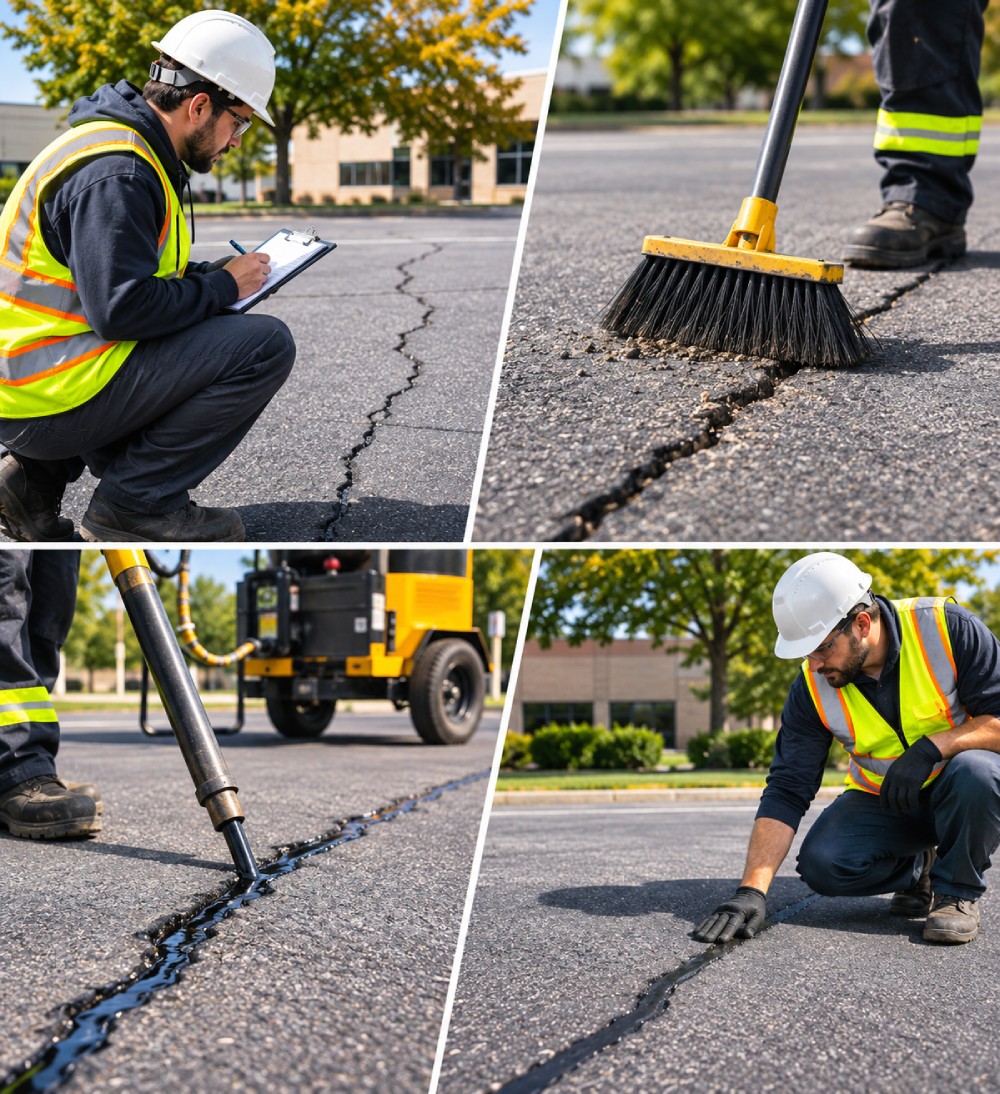
Effective crack sealing requires proper surface assessment, suitable materials, careful application, and organized scheduling. Northern Element Contractors plans each project around pavement condition, crack severity, traffic requirements, and daily property operations.
Thorough Pavement Assessment
Existing cracks and surface conditions are evaluated to identify suitable sealing treatments and areas requiring additional repairs.
Quality Sealing Materials
Appropriate sealants are selected based on crack movement, pavement condition, seasonal temperatures, and expected traffic exposure.
Precision-Focused Application
Careful crack preparation and controlled sealant placement help achieve consistent coverage, proper adhesion, and a clean finish.
Flexible Project Scheduling
Work is coordinated around business hours, parking availability, vehicle movement, deliveries, and other property activities.
Practical Maintenance Solutions
Targeted treatments help property owners address existing cracks, reduce further deterioration, and manage long-term pavement maintenance costs.
Consistent Workmanship
Each treated area is checked for sealant coverage, application quality, and proper finishing to support lasting pavement protection.
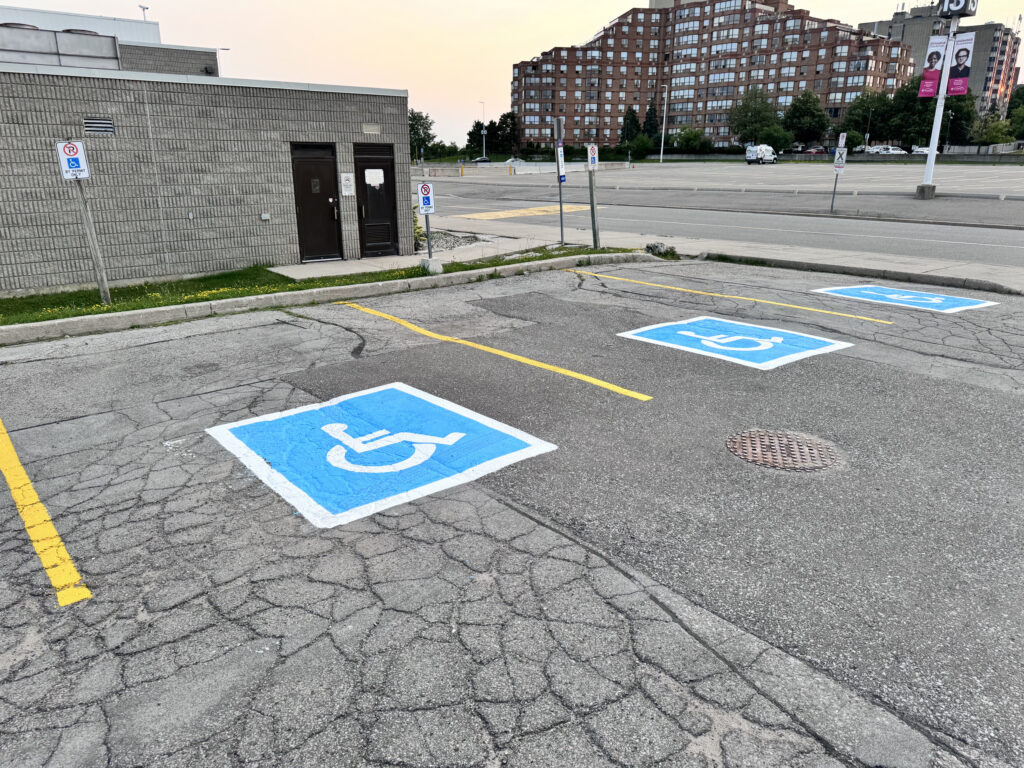
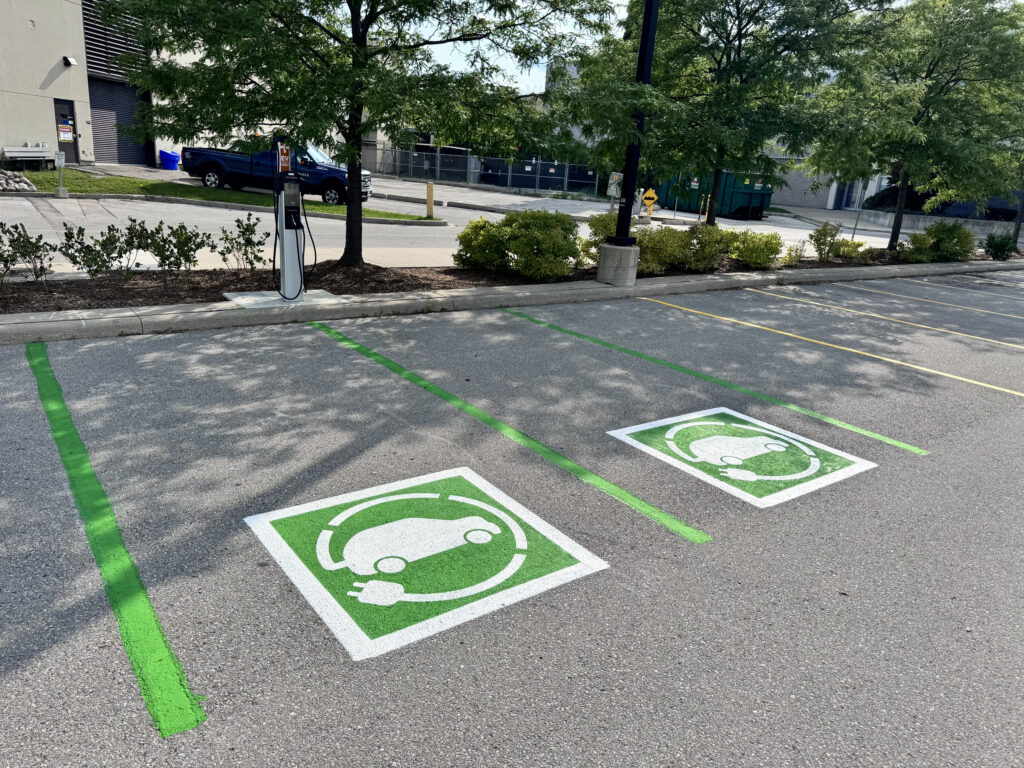
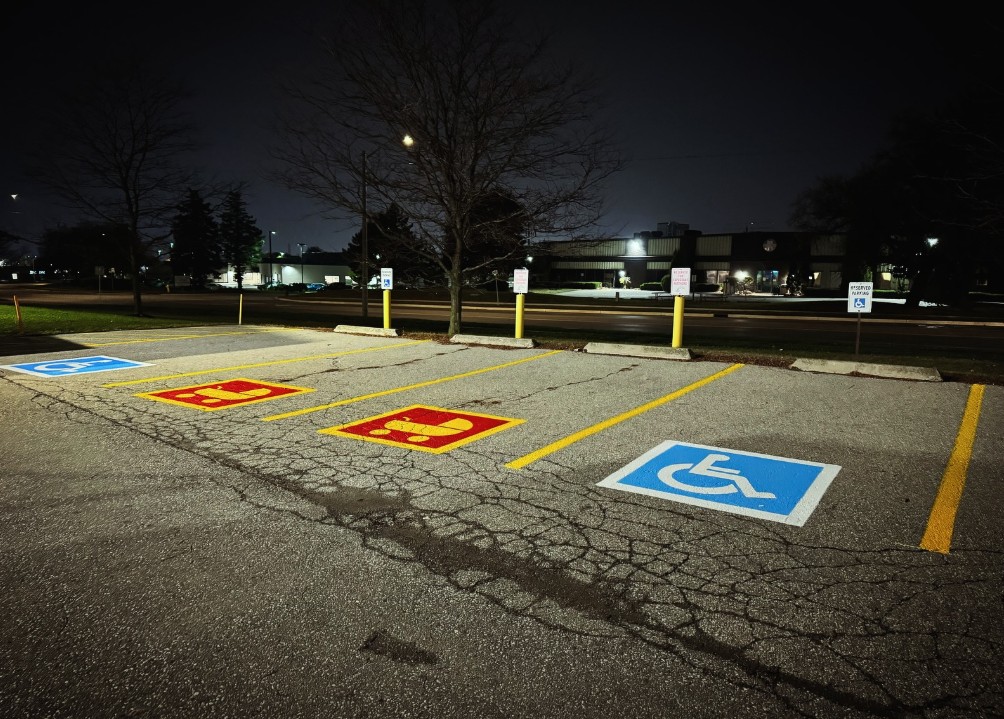
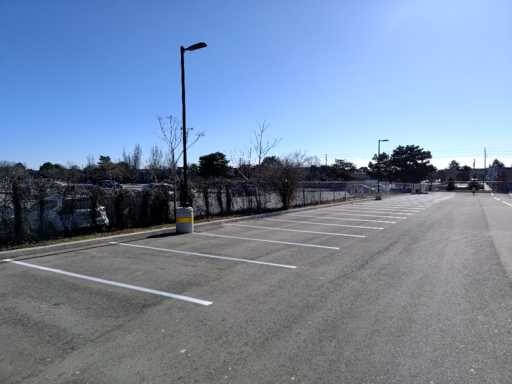
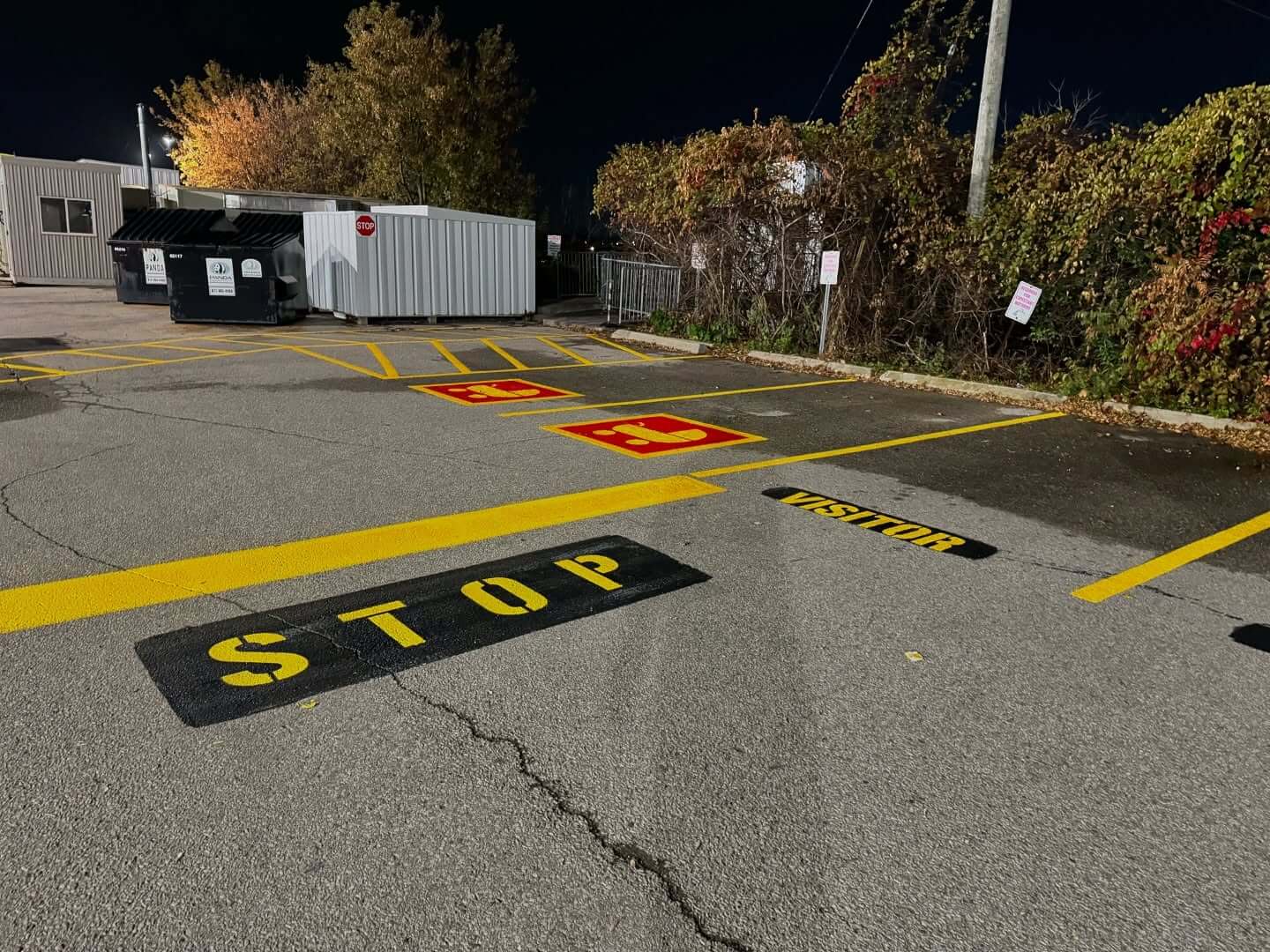
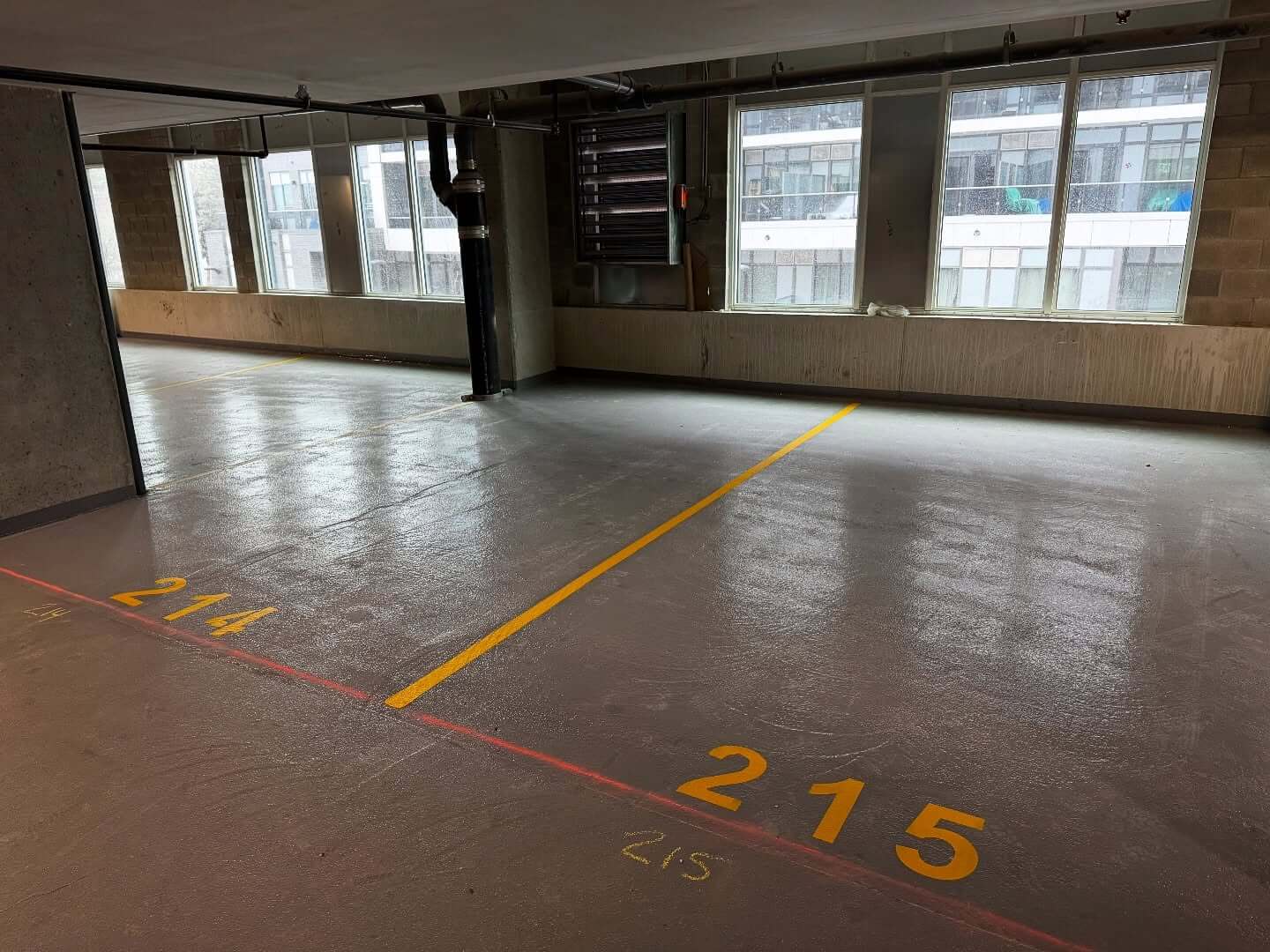
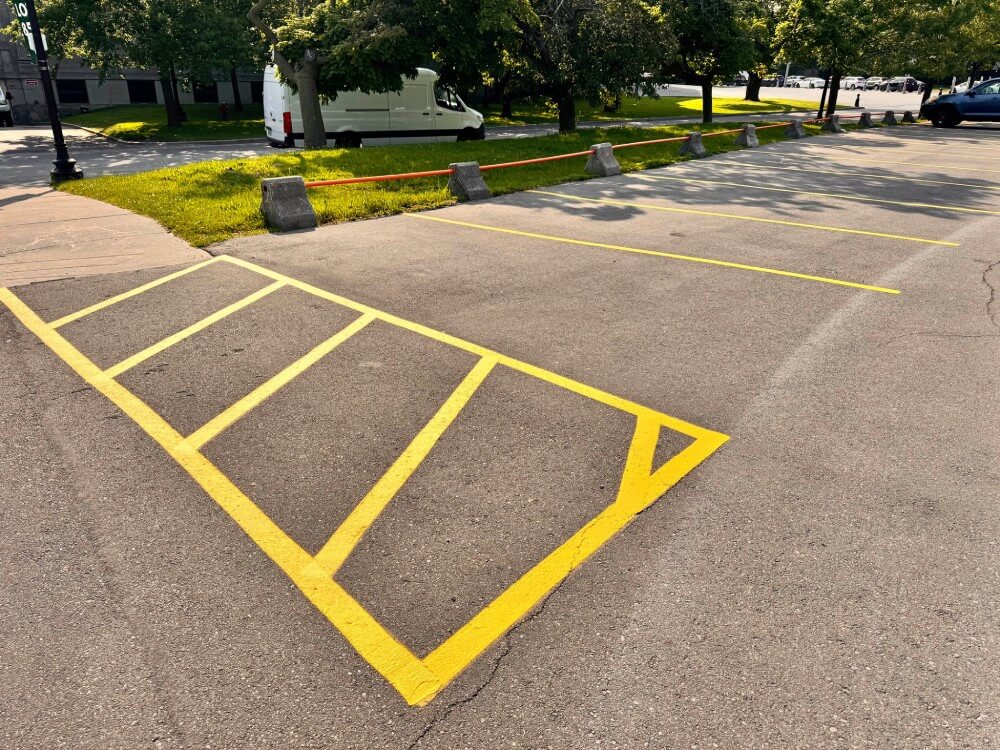
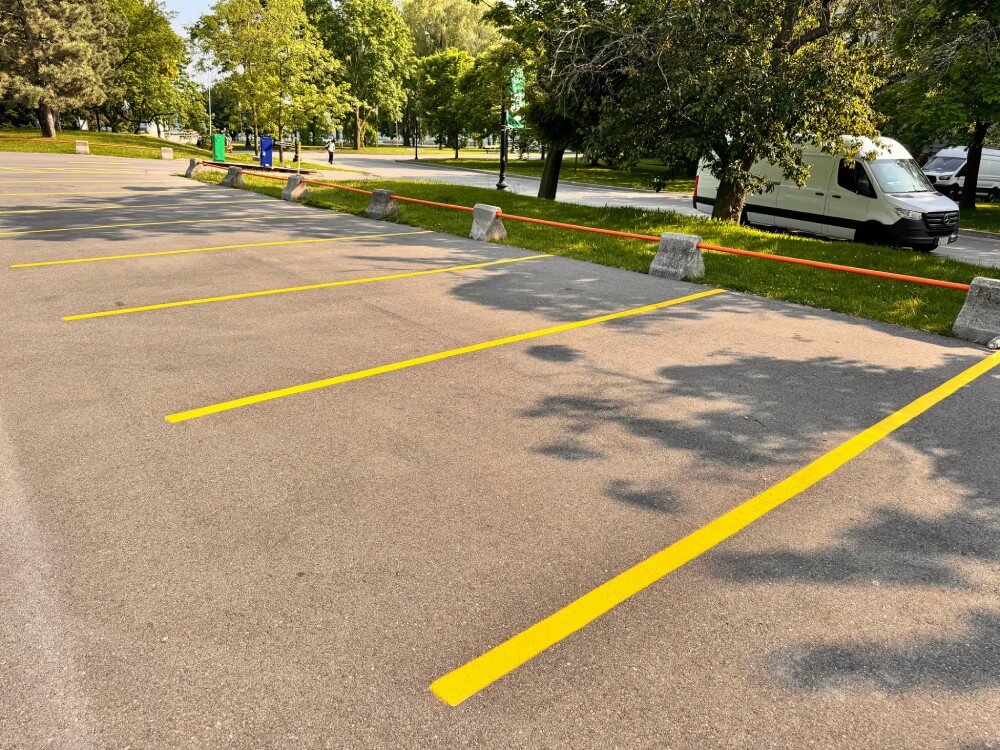
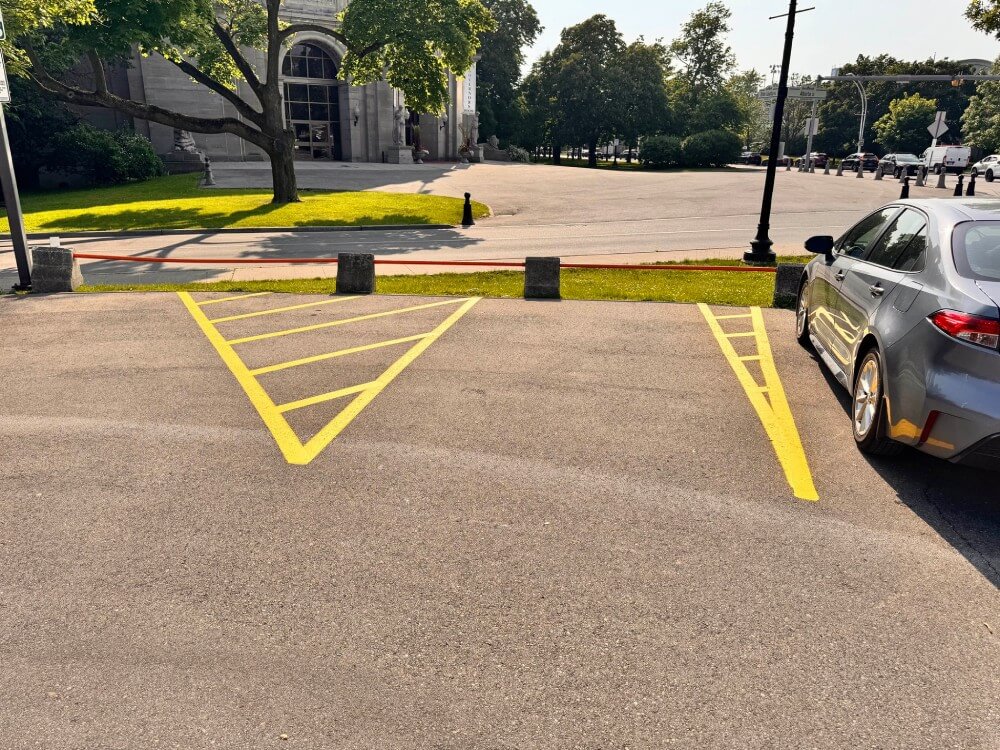
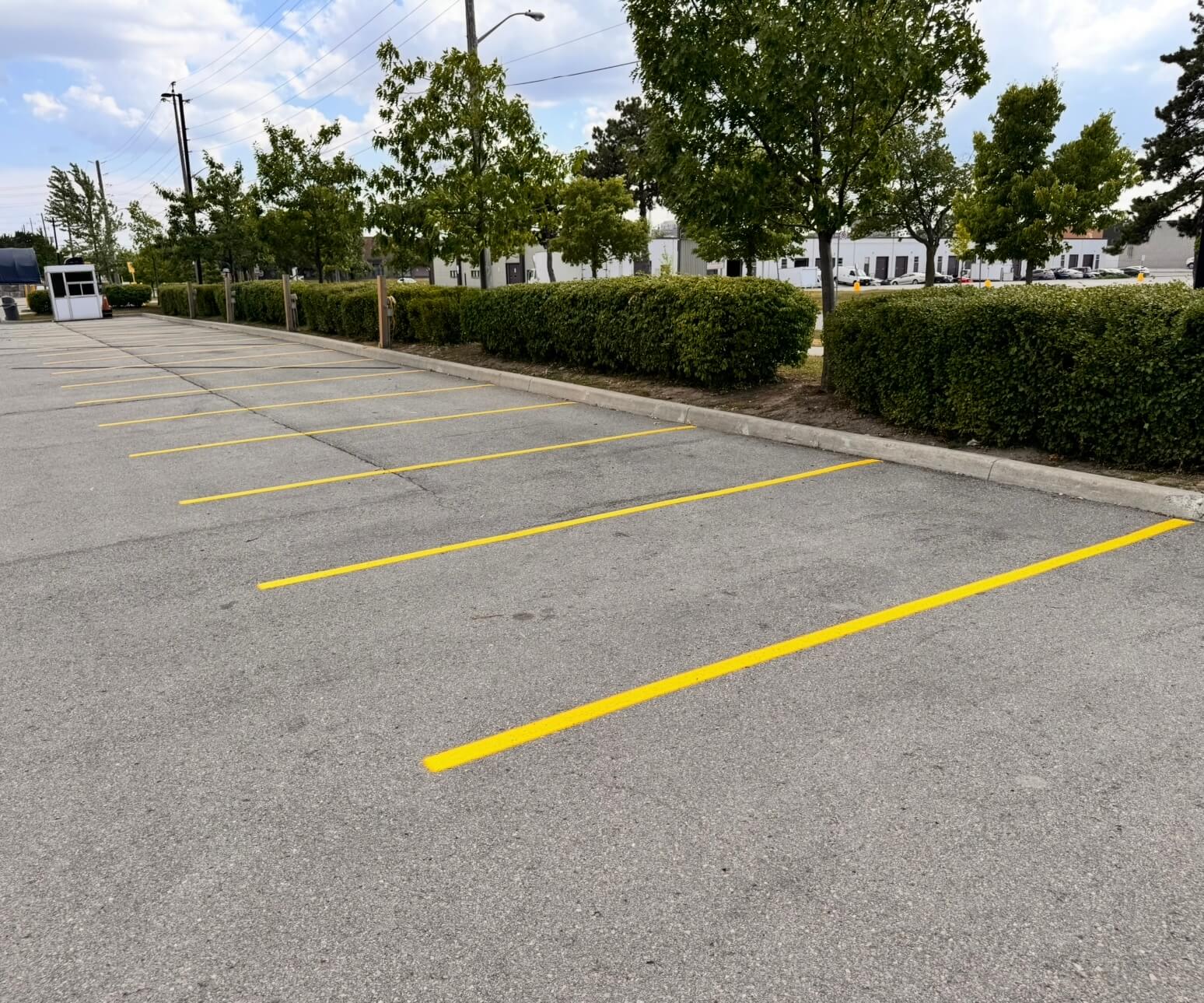
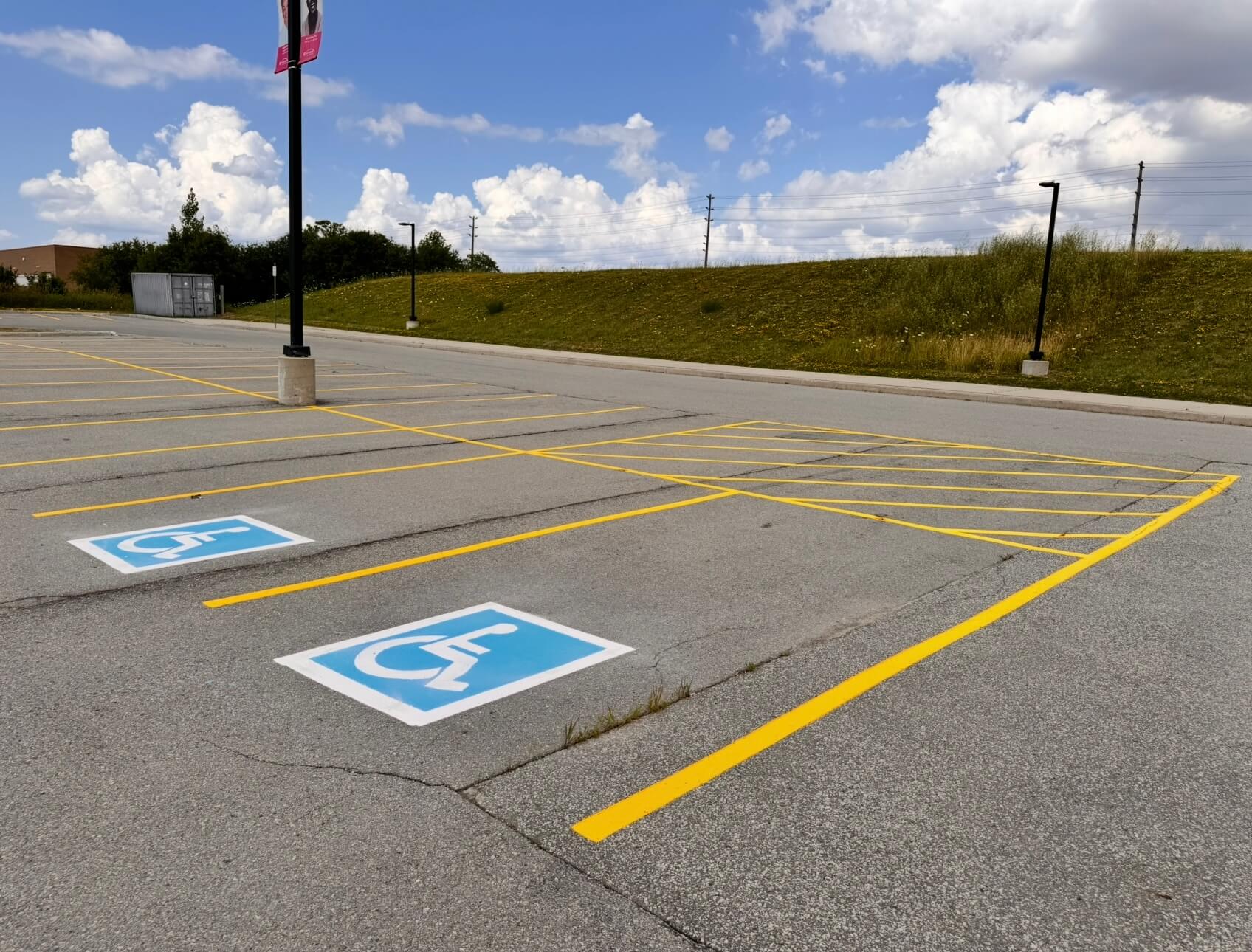
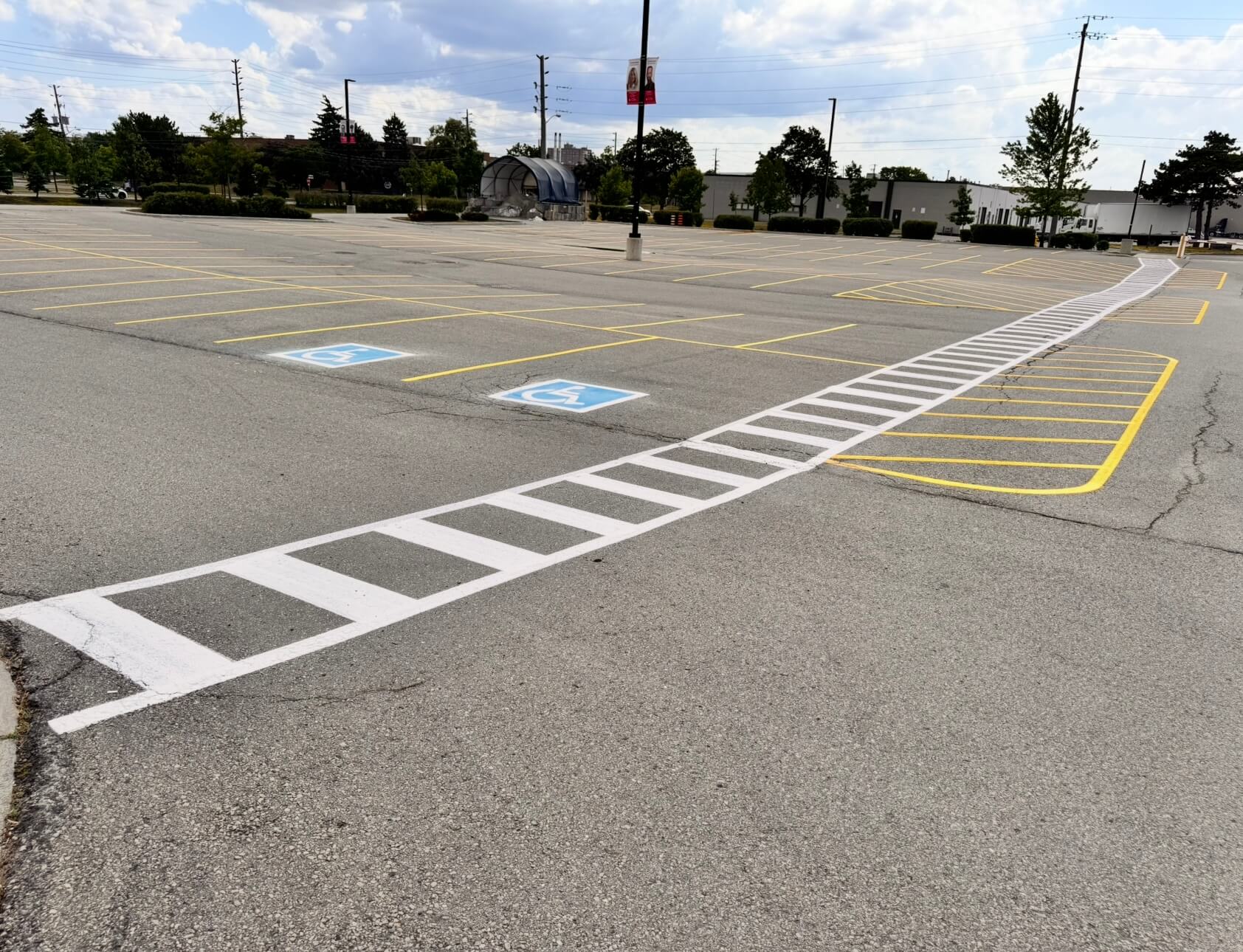
See the impact of professional striping in our gallery, brighter, cleaner, safer spaces that speak for themselves.
Untreated asphalt cracks can lead to water penetration, pavement deterioration, and increasingly expensive repairs. Preventive maintenance helps protect parking lots, driveways, industrial yards, and private access roads.
Northern Element Contractors provides asphalt crack sealing in Ontario with careful preparation, suitable treatment methods, and project planning tailored to property requirements. Contact us at 1 (647) 922-0400 or email info@northernelementcontractors.ca to discuss your pavement condition and request a free quote.
Properly applied sealant can remain effective for several years, depending on pavement movement, traffic, weather exposure, and maintenance. Northern Element Contractors recommends periodic inspections to identify cracks requiring additional treatment.
Asphalt crack sealing is generally completed during dry weather when air and pavement temperatures meet the sealant manufacturer’s requirements. Northern Element Contractors considers local weather conditions and seasonal scheduling when planning projects across Ontario.
Crack sealing generally uses flexible materials designed to accommodate movement in active pavement cracks, while crack filling typically addresses cracks with limited movement. Northern Element Contractors assesses pavement conditions to identify the most suitable treatment.
Sealing existing cracks helps limit water infiltration that can contribute to pothole formation. However, existing potholes, severe surface deterioration, and structural pavement damage may require additional repairs.
Project costs depend on crack length, pavement condition, preparation requirements, sealing materials, and property accessibility. A site assessment helps determine the appropriate scope and provide an accurate quotation.