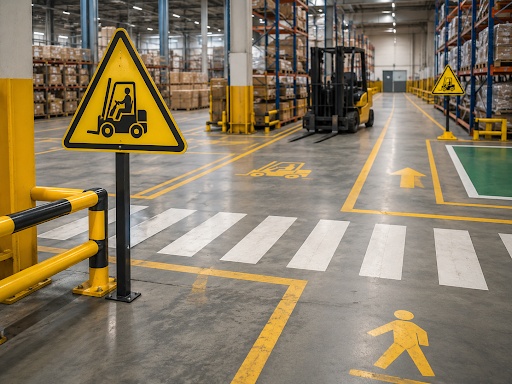
A watch for forklift traffic sign warns workers, visitors, and drivers that forklifts operate nearby and that extra attention is needed. It works best with clear warehouse floor markings in Ontario that separate pedestrian routes, forklift lanes, loading zones, and storage areas.
Warehouse accidents often happen when people and equipment share space without clear direction. Signs, painted lines, stencils, arrows, and crosswalks improve visibility and guide safer movement.
Key Takeaways
- Warning signs should appear before workers enter forklift areas.
- Painted lines help separate pedestrians, equipment, and storage.
- Crosswalks, stop bars, arrows, and exclusion zones support safer movement.
- Loading docks, blind corners, aisle ends, and crossings need clear warnings.
- Faded markings should be repainted before workers stop noticing them.
What a Watch for Forklift Traffic Sign Means
A watch for forklift traffic sign means forklifts or powered industrial trucks operate nearby. Pedestrians should stay alert, avoid shortcuts, follow marked walkways, and cross only at designated points.
This sign does not replace training, supervision, or a safe traffic layout. It gives a warning, but workers still need clear floor markings, visible crossing points, good housekeeping, and site rules to know what action to take.
Why Forklift Warning Signs Matter in Warehouses
Forklift warning signs matter because warehouse traffic can change quickly. Noise, stacked pallets, blind corners, moving inventory, and fast-paced tasks can make forklift movement harder to notice, especially near docks, aisles, and shared work zones.
Clear warning signs support safer decisions before workers enter higher-risk areas. In Ontario industrial workplaces, signs, floor markings, and other safeguards help make vehicle and pedestrian traffic more visible, organized, and easier to manage.
Where Forklift Traffic Warnings Are Needed Most
Forklift traffic warnings should be placed where people are most likely to meet moving equipment. These are the areas where workers need enough time to stop, look, and choose the safer route.
Use signs and markings near:
- Loading docks and receiving doors
- Blind corners and aisle intersections
- Pedestrian crossings between work zones
- Battery charging and fuelling areas
- Shipping and staging lanes
- Office, washroom, and break room exits
- Racking aisles with limited sight lines
Why Floor Markings Make Forklift Signs More Effective
A watch for forklift traffic sign needs floor markings because the sign warns people. Floor markings make forklift signs more effective because they turn the warning into a clear path of action. The sign tells people to watch for forklift traffic, while the floor shows where forklifts travel and where pedestrians should move.
A clear warehouse layout may include:
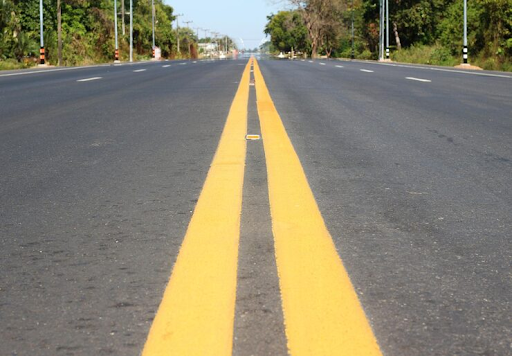
- Forklift travel lanes
- Pedestrian walkways
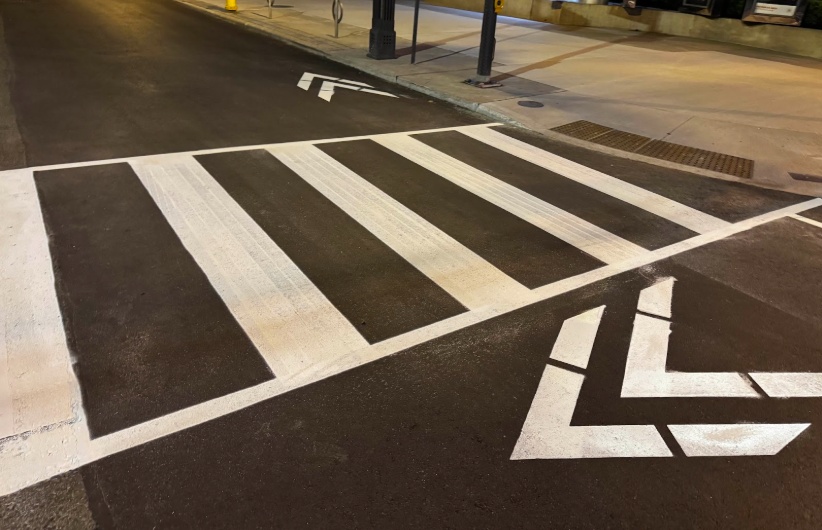
- Crosswalks at controlled points
- Stop bars near intersections
- Arrows for one-way movement
- No pedestrian zones near docks
- Parking or charging areas for equipment
This layout helps reduce guesswork. It also helps supervisors train workers because the markings match the expected traffic flow. For related planning ideas, review safety markings for workspace safety and compliance.
Common Warehouse Problems Safety Markings Help Fix
Warehouse markings help fix traffic problems that signs alone cannot control. Painted routes and floor stencils give workers a visible system to follow.
They help reduce:
- Pedestrians cutting across forklift lanes
- Operators turning through blind corners too quickly
- Pallets blocking walkways or sight lines
- Visitors entering active warehouse zones without direction
- Workers crossing near dock doors without a marked crossing
- Forklifts parking in unclear or unsafe areas
The goal is not to add markings everywhere. It is to make the safest route the clearest route.
How to Plan Forklift Routes Step by Step
Forklift traffic safety markings should be planned before paint is applied. Base the layout on how workers, forklifts, carts, pallets, and visitors move through the building.
Step 1: Observe Normal Traffic
Walk the site during active operations. Note routes, crossings, blind spots, loading areas, storage overflow, and near-miss locations.
Step 2: Separate People and Equipment
Reduce shared space where possible. Use marked walkways, crosswalks, stop points, barriers, and warning signs near offices, lunchrooms, packing stations, dock doors, and time clocks.
Step 3: Mark Decision Points and Review
Decision points are places where someone must stop, turn, cross, yield, or check for equipment. Use stop stencils, arrows, lane borders, crosswalks, and keep-clear zones.
Facilities can also review floor marking best practices to keep visual controls consistent.
Forklift Warning Signs vs. Floor Markings
Forklift signs and floor markings support the same system. Signs warn people about risk, while floor markings organize movement.
| Safety Control | Best Use | Main Benefit | Limitation |
| Warning signs | Entrances, corners, docks, and crossings | Alerts people before entering forklift areas | Does not show the walking route |
| Painted lines | Forklift lanes, walkways, and work zones | Creates durable routes | Needs proper surface preparation |
| Floor stencils | Stop points, arrows, and crossings | Gives quick instructions | Can fade in heavy traffic |
| Barriers | High-risk pedestrian separation | Adds physical protection | Needs space |
Use signs for warnings, lines for routes, stencils for decisions, and barriers where risk is high.
How to Keep Forklift Signs and Markings Visible
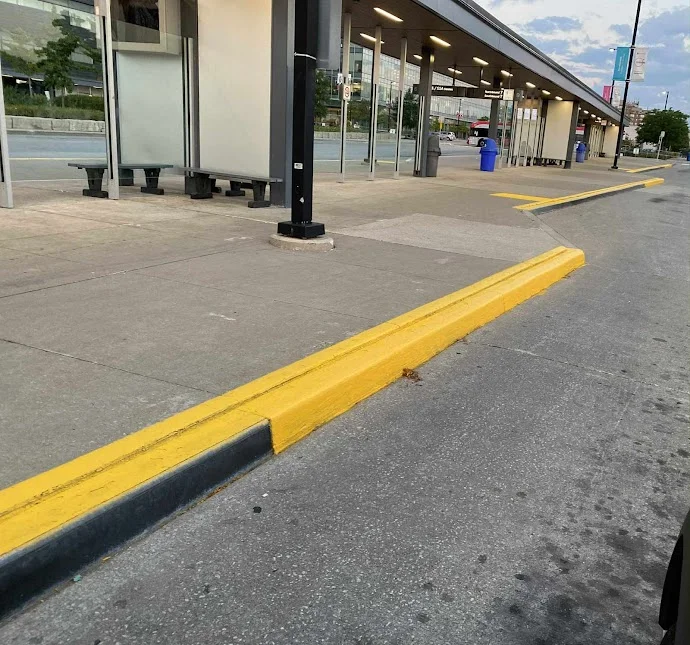
Forklift signs and markings stay useful when they remain clean, bright, and easy to read. Faded paint, blocked signs, dirty floors, and inconsistent colours can weaken the safety message.
Use these maintenance checks:
- Inspect high-traffic areas monthly.
- Clean dust, oil, and tire marks from routes.
- Keep pallets, bins, and carts away from signs.
- Repaint worn crosswalks before they disappear.
- Use consistent colours across the facility.
- Review markings after equipment or layout changes.
A caution watch for forklift traffic message should never be hidden behind stored materials. If workers cannot see the warning early, the sign is not doing its job.
When Should You Update Forklift Traffic Markings?
Forklift traffic markings should be updated when routes change, paint fades, workers report confusion, or near misses happen. Repainting is also needed when forklift lanes are hard to see, pallets block paths, drivers honk at blind corners, or new workers ask where to walk.
Industrial properties can also connect indoor markings with commercial line painting services in Ontario for a consistent approach across warehouses, yards, parking areas, and loading zones.
Make Forklift Traffic Easier to See and Safer to Manage
A watch for forklift traffic sign works best when it supports a clear warehouse marking layout. Painted lanes, crosswalks, stop markings, arrows, exclusion zones, and routine repainting help workers and operators stay alert.
Northern Element Contractors helps warehouses, factories, distribution centres, and industrial properties across Ontario create safer and more organized traffic areas. If your forklift routes, pedestrian walkways, loading zones, or warning markings are faded or unclear, call +1 (647) 922-0400 or email info@northernelementcontractors.ca to request a site visit or free quote.