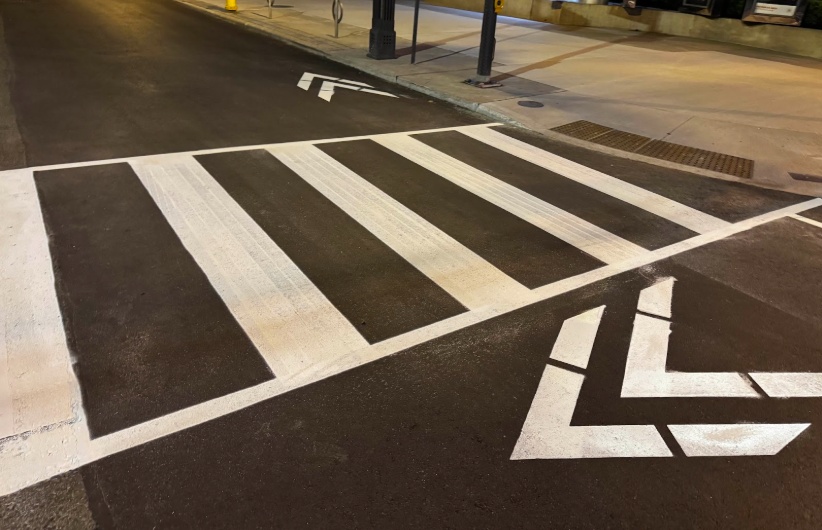
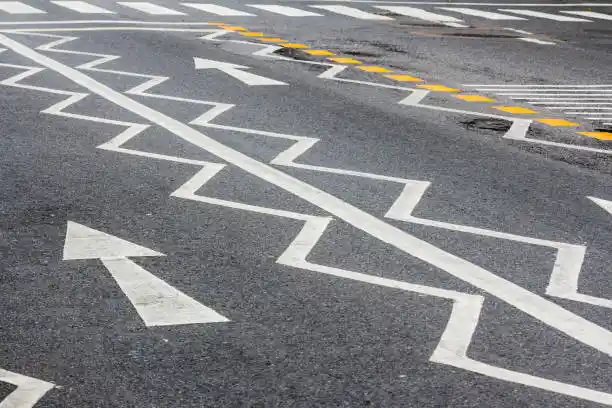
White zigzag lines on the road warn drivers that they are approaching a pedestrian crossing, school crossing, or another controlled traffic area where extra caution is required. These markings are designed to improve visibility, discourage overtaking, and encourage drivers to slow down before reaching pedestrians or high-risk zones.
Knowing what do white zigzag lines on the road mean helps drivers follow Ontario road safety rules, reduce accident risks, and respond more safely near crossings and restricted traffic areas. This guide explains where zigzag lines are commonly found, what drivers should avoid near these markings, how weather affects visibility, and why proper road marking maintenance is important for safer roads across Ontario.
Key Takeaways
- White zigzag lines warn drivers about crossings and restricted traffic areas.
- Drivers should slow down and avoid overtaking near zigzag markings.
- Reflective pavement markings improve visibility during poor weather and nighttime driving.
- Faded road markings can increase confusion and reduce driver reaction times.
- Professional roadway line painting helps maintain safer traffic flow across Ontario communities.
What Do White Zigzag Lines on the Road Mean?
These markings warn drivers that they are approaching a crossing or controlled traffic area where additional caution is required. They are commonly used near pedestrian crossings, school zones, and restricted stopping areas to improve visibility and help drivers prepare to slow down or stop safely.
Unlike standard lane markings, zigzag lines are designed to attract driver attention quickly near crossings and restricted traffic areas.
Why Are White Zigzag Lines Used on Roads?
White zigzag lines help improve road safety by warning drivers before they reach crossings or areas with increased pedestrian activity.
These markings are commonly placed near:
- Pedestrian crossings
- School crossings
- Railway crossings
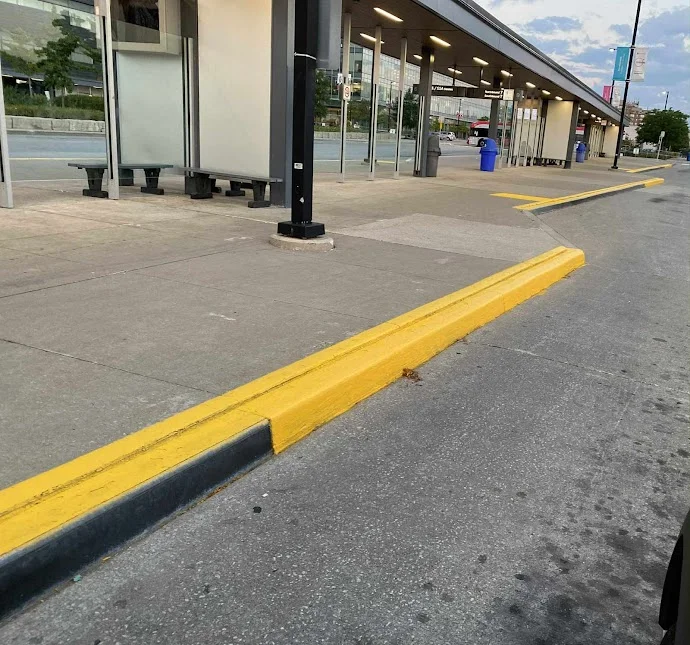
- Bus priority zones
- Restricted stopping areas
Transport Canada studies show visible pavement markings help improve driver awareness and reaction times in urban traffic environments. Regular maintenance is especially important in Ontario because snow, salt, and heavy traffic can reduce marking visibility over time.
Where Will You Commonly Find Zigzag Lines on the Road?
Drivers usually encounter zigzag lines on the road in areas where pedestrian safety and traffic visibility are especially important.
Near Pedestrian Crossings
This is the most common location for zigzag markings. The lines warn drivers that pedestrians may enter the roadway unexpectedly and that extra caution is required.
Drivers approaching these areas should:
- Reduce speed gradually
- Watch carefully for pedestrians
- Avoid overtaking nearby vehicles
- Stay alert for crossing signals
Proper pedestrian lane paint and crossing markings help improve visibility for both pedestrians and drivers during daytime and nighttime conditions.
Around School Zones
School crossings often use zigzag road markings because children can move unpredictably near traffic. These markings encourage drivers to slow down and remain alert during busy school hours.
Many Ontario municipalities also use reflective paint and additional crossing signs near schools to improve safety and visibility throughout the year.
Near Railway Crossings and Restricted Zones
Some municipalities use zigzag style warning markings near railway crossings and restricted stopping areas to improve awareness before drivers reach higher-risk traffic zones.
What Do Zigzag Lines on the Road Mean for Drivers?
What do zigzag lines on the road mean for drivers in practical situations? They indicate that drivers should immediately increase attention, reduce speed, and avoid unsafe manoeuvres near crossings or controlled traffic areas.
Drivers should avoid:
- Driving at high speeds
- Overtaking nearby vehicles
- Parking close to crossings
- Using mobile devices while driving
- Making sudden lane changes
Ignoring these markings may increase accident risks, reduce pedestrian visibility, and lead to traffic violations near crossings and school zones.
Zigzag Lines on Road Meaning Compared to Other Road Markings
Understanding the zigzag lines on the road becomes easier when compared with other pavement markings commonly used across Ontario roads.
| Road Marking | Meaning |
| White zigzag lines | Warning area before crossings or restricted zones |
| Solid white line | Lane separation or no lane changes |
| Broken white line | Lane changing permitted |
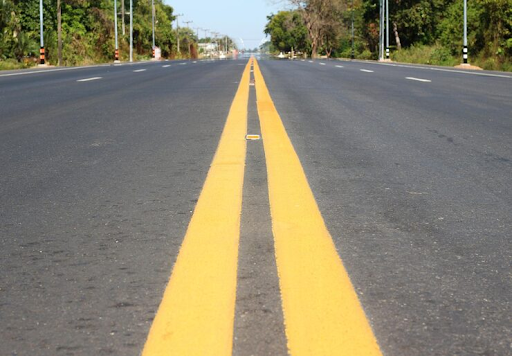
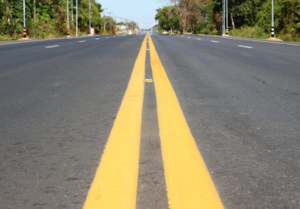
| Double yellow line | No passing zone |
| Crosswalk markings | Pedestrian crossing area |
Understanding these markings together helps drivers respond more safely during changing traffic conditions.
What Does Zigzag Lines on the Road Mean During Poor Weather?
These markings become even more important because reduced visibility gives drivers less time to react safely.
Reflective road paint helps drivers recognize crossing zones earlier and improves visibility during low-light or winter conditions. This is especially important in Ontario, where snow, slush, and salt buildup can make faded pavement markings difficult to see.
How Are White Zigzag Road Markings Applied and Maintained?
Road crews use specialized striping equipment to ensure zigzag markings remain visible, consistent, and compliant with municipal standards. Proper preparation and reflective traffic paint help improve long-term visibility.
The process usually includes:
- Cleaning the pavement surface
- Measuring layout spacing and positioning
- Applying reflective traffic paint
- Inspecting markings for visibility and accuracy
Municipalities also schedule regular maintenance because of weather, heavy traffic, snowplows, and UV exposure, which gradually wear road markings down over time.
What Most Drivers Get Wrong About Zigzag Lines
Many drivers incorrectly assume zigzag markings are decorative or temporary. In reality, these markings warn drivers to slow down and stay alert near controlled traffic areas.
Even faded markings still indicate controlled traffic zones where drivers must remain cautious. This is why regular roadway repainting and maintenance remain important for long-term safety.
Why Maintaining White Zigzag Road Markings Matters for Safety
Road markings gradually fade because of weather, heavy traffic, snowploughs, and UV exposure. When zigzag lines lose visibility, drivers may react more slowly near crossings and controlled traffic zones.
Regular repainting helps municipalities, schools, and commercial properties maintain safer and more organized traffic flow throughout their roadways and parking areas.
Conclusion
Understanding what do white zigzag lines on the road mean helps drivers recognize important safety warnings near pedestrian crossings, school zones, and controlled traffic areas. These markings improve visibility, encourage safer driving behaviour, and help reduce risks for both motorists and pedestrians across Ontario communities.
Keeping these road markings clear and highly visible is important for maintaining safer traffic flow across Ontario communities. Northern Element Contractors provides professional roadway line painting, pavement marking, and reflective traffic paint services across Ontario to help municipalities, businesses, schools, and property owners maintain safer and more visible traffic markings year-round. Reach out through the Contact Us page, call +1 (647) 922 0400, or email info@northernelementcontractors.ca to request a site assessment or free quote.