Understanding road lines meaning helps drivers stay safe, follow traffic rules, and navigate roads more confidently. White, yellow, and broken lines all communicate specific instructions that guide lane movement, passing rules, and traffic direction on Canadian roads.
Road markings also help reduce confusion and improve traffic organization on highways, intersections, parking lots, and commercial properties. Knowing what these lines mean can help drivers make safer decisions and avoid common road mistakes.
Key Takeaways
- White lines separate traffic moving in the same direction.
- Yellow lines divide traffic travelling in opposite directions.
- Broken lines on road markings usually allow passing when safe.
- Solid lines often restrict lane changes or overtaking.
- Clear pavement markings improve safety, organization, and traffic flow.
What Is the Meaning of Road Lines?
Road lines guide drivers, cyclists, and pedestrians through roads, intersections, parking lots, and shared traffic areas. These markings help communicate traffic rules, lane direction, and road restrictions to reduce confusion and improve safety.
The road lines meaning in Canada drivers follow are based on standardized pavement marking systems used across provinces. While regulations may vary slightly, most markings follow the same colour and pattern principles throughout Canada.
Why Road Markings Matter for Safety
Road markings help drivers identify lanes, passing zones, turning areas, and pedestrian crossings. They become especially important during rain, snow, fog, and nighttime driving conditions.
What Do White Lines on Roads Mean?
The white lines on road meaning generally relate to traffic moving in the same direction. These markings separate lanes, guide traffic movement, and help organize road flow.
White pavement markings are commonly used on highways, city streets, parking lots, and pedestrian crossings.
Solid White Lines
Solid white lines usually indicate drivers should remain in their lane. Crossing may be discouraged or restricted depending on road conditions.
Common examples include:
- Highway shoulder lines
- Merge lane boundaries
- Bicycle lane markings
- Intersection lane guidance
Broken White Lines
Broken white lines allow lane changes when safe. Drivers should still check mirrors, blind spots, and surrounding traffic before changing lanes.
Double White Lines
Double white lines often indicate lane changes are prohibited for safety reasons, especially near bridges, tunnels, and intersections.
What Do Yellow Lines on the Road Mean?
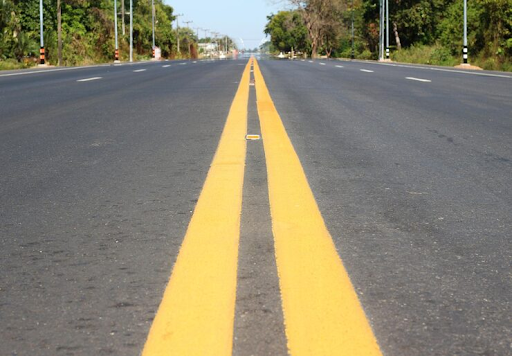
The yellow lines on the road mean that traffic is moving in opposite directions. These markings help separate lanes and reduce the risk of head-on collisions.
Yellow markings are heavily used on highways, rural roads, and two-way streets across Ontario and Canada.
Single Solid Yellow Line
A single solid yellow line generally discourages passing because visibility or road conditions may be unsafe.
Double Solid Yellow Lines
Double solid yellow lines mean passing is prohibited in both directions due to higher safety risks or limited visibility.
Broken Yellow Lines
Broken yellow lines indicate passing may be allowed when safe and legal. Drivers should ensure:
- The opposite lane is clear
- Visibility is sufficient
- Traffic conditions are safe
- Passing can be completed safely
What Do Broken Lines on Roads Mean?
The broken lines on road surfaces are designed to provide flexibility while maintaining traffic organization. These markings usually indicate drivers may cross or change lanes under safe conditions.
Broken lines commonly appear on highways, passing zones, and commercial properties.
Broken White Lines vs Broken Yellow Lines
| Line Type | Meaning |
| Broken White Line | Traffic moves in the same direction |
| Broken Yellow Line | Traffic moves in opposite directions |
| Solid White Line | Lane changes discouraged |
| Solid Yellow Line | Passing restricted or prohibited |
Why Visibility Matters With Broken Lines
Even when passing is legally allowed, visibility remains critical. Rain, snow, heavy traffic, and faded markings can reduce driver reaction time and increase accident risks.
This is why regular pavement maintenance and parking lot line painting are important for commercial and municipal properties.
What Do Different Road Line Colours Mean?
Different road line colours communicate specific traffic instructions and safety information.
White
White lines separate traffic moving in the same direction and help define lanes and crossings.
Yellow
Yellow lines separate opposite traffic directions and identify no passing zones.
Blue
Blue markings often indicate accessible parking areas or emergency service spaces.
Red
Red markings may identify fire routes or restricted parking areas on private properties.
How Do Road Lines Improve Traffic Flow?
Clear pavement markings help reduce driver confusion and improve traffic movement in urban and rural environments.
Municipal roads, parking lots, and industrial facilities rely on visible markings to support safer and more organized vehicle movement.
Example of Poor Line Visibility
A faded parking lot may create confusion during busy hours. Drivers may block access lanes, park incorrectly, or interfere with pedestrian walkways.
This can increase liability risks and reduce overall traffic efficiency.
Best Practice for Maintaining Road Markings
Industry best practice recommends regular pavement marking inspections, especially in areas with high traffic or harsh winter conditions.
Reflective coatings and high-quality traffic paint help maintain clearer pavement markings, improve visibility, and support safer long-term traffic management.
Step-by-Step Guide to Reading Road Lines Correctly
Understanding road markings becomes easier when drivers follow a simple process.
Step 1: Identify the Colour
White lines usually indicate traffic moving in the same direction. Yellow lines separate traffic moving in opposite directions.
Step 2: Check if the Line Is Solid or Broken
Solid lines often restrict crossing or passing. Broken lines usually allow movement when safe.
Step 3: Watch Traffic Conditions
Poor weather, heavy traffic, or low visibility can make passing or lane changes unsafe, even when permitted.
Step 4: Follow Local Road Rules
Ontario traffic regulations may vary slightly depending on municipalities or private properties.
How Are Road Lines Used in Parking Lots and Commercial Properties?
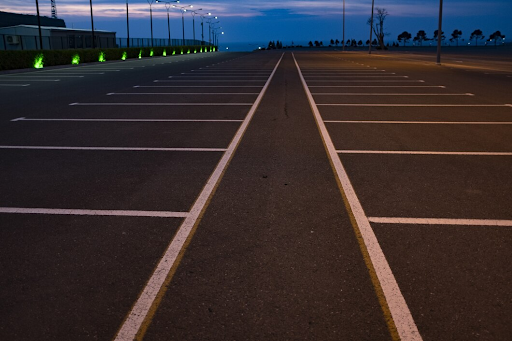
Road markings are also essential in parking lots, warehouses, and commercial properties. These markings help improve traffic organization, pedestrian safety, and vehicle flow.
Common markings include:
- Parking stalls
- Fire lanes
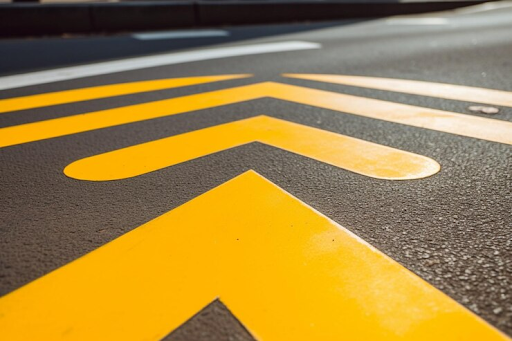
- Directional arrows
- Loading zones
- Pedestrian crossings
- Accessible parking spaces
Properly maintained pavement markings help commercial properties improve safety, reduce confusion, and create more organized traffic flow for drivers and pedestrians.
Conclusion
Understanding road lines meaning helps drivers stay alert, follow traffic laws, and navigate roads more safely. White, yellow, solid, and broken lines all serve important purposes that improve traffic organization and pedestrian safety across roads and commercial properties.
Faded or poorly maintained pavement markings can create confusion, reduce visibility, and increase liability risks for property owners and municipalities. Northern Element Contractors provides professional road marking, parking lot line painting, and pavement marking services across Ontario to help maintain safe and clearly marked spaces. Reach out through the Contact Us page, call +1 (647) 922 0400, or email info@northernelementcontractors.ca to request a quote or schedule a site visit.