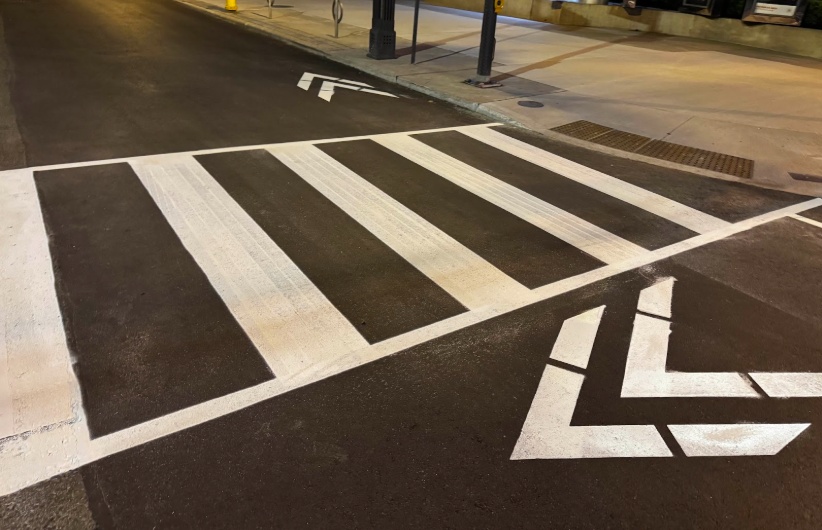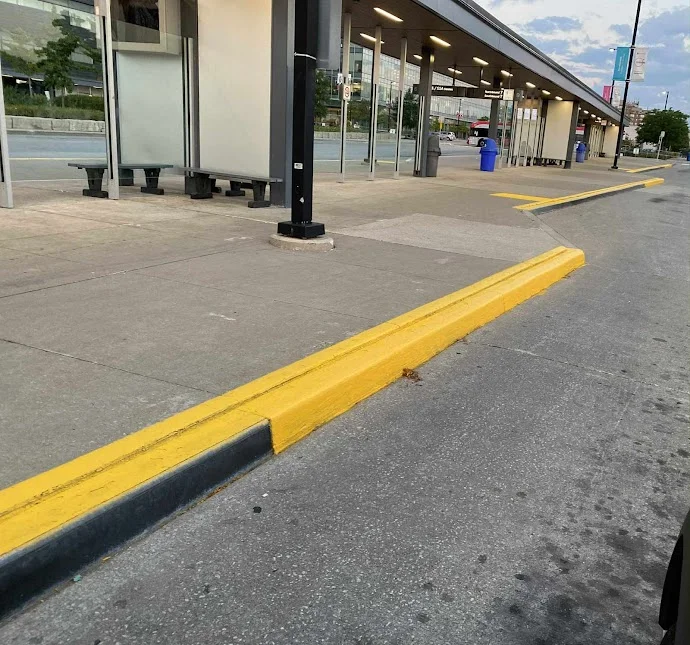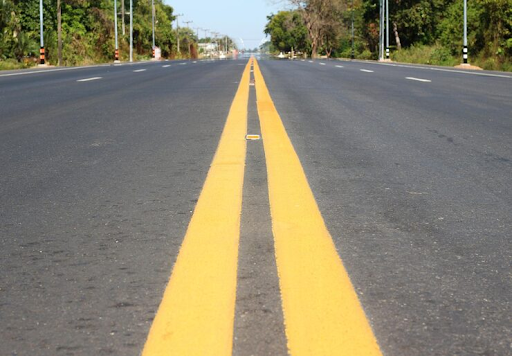
Knowing how to prepare your property before line painting helps ensure a smooth project, clear markings, and long-lasting results. Proper preparation reduces delays, prevents issues during application, and keeps the process efficient. While contractors handle the line painting itself, property owners play an important role in preparing the site.
A well-prepared site helps improve safety, reduce downtime, and ensure the final layout is applied exactly as planned.
Preparing a property for line painting involves clearing all vehicles and obstacles, confirming the final layout, and ensuring the surface is clean and dry before work begins. Northern Element Contractors coordinates with property owners to plan access, manage traffic flow, and schedule work during suitable conditions to avoid delays. Proper preparation allows accurate line placement, faster application, and reliable results that maintain visibility and performance over time.
Key Takeaways
- Preparation improves efficiency and final results
- Clearing the area is essential before painting begins
- Proper scheduling helps avoid disruptions
- Communication ensures smooth project execution
- Planning prevents costly delays
Why Preparation Matters Before Line Painting
Line painting may seem straightforward, but the quality of the result depends heavily on what happens before the paint is applied. If the site is not properly prepared, even the most experienced contractors can face delays or limitations in delivering precise markings.
Good preparation ensures:
- Clear access to all marking areas
- Proper visibility for layout execution
- Faster project completion
- Reduced risk of errors or rework
- Minimal disruption to business operations
For commercial and industrial spaces in Ontario, preparation is especially important due to high traffic flow and safety requirements.
What Property Owners Should Do Before Line Painting
It is important to note that contractors focus on applying the markings, while site readiness is typically handled beforehand. This is where property owners or managers play a key role.
Clear All Vehicles and Obstacles
The area must be completely free of vehicles, equipment, and debris. Any obstruction can delay the process or lead to incomplete markings.
Plan Access and Traffic Control
Think about how vehicles and pedestrians will move during the project. Blocking off sections or scheduling work during off-hours helps reduce disruption.
Confirm the Layout in Advance
Make sure the layout is final before work begins. Changes during the process can slow down the project and affect accuracy.
Secure Temporary Hazards or Equipment
Any loose fixtures, signage, or portable structures should be removed or secured before work starts. This includes dumpsters, barriers, or seasonal equipment. Keeping the site clear helps contractors work efficiently and reduces the risk of accidental obstruction or damage.
Coordinate Timing With Operations
If the property remains active during the day, consider scheduling line painting during off-peak hours, evenings, or weekends. This reduces disruption to daily operations and allows paint to cure properly without interference from traffic.
Check Weather Conditions in Advance
Weather plays a major role in the success of line painting. Property owners should coordinate with contractors to avoid rain, high humidity, or extreme temperatures. Even a short delay due to weather can improve the final durability and appearance of the markings.
How Proper Preparation Improves Results
When a property is properly prepared, the benefits are immediately noticeable:
- Cleaner, sharper line markings
- Faster project completion
- Reduced operational disruption
- Longer-lasting paint performance
- Improved site safety and organization
Good preparation doesn’t just make the contractor’s job easier—it directly impacts the quality and durability of the final result.
For high-traffic environments like warehouses, factories, and distribution centres, preparation is even more important.
Simple Preparation Checklist to Follow
A clear line painting preparation checklist helps you stay organized and avoid missed steps.
- Remove all vehicles and equipment from the area
- Ensure the surface is clean and dry
- Confirm layout and marking plans
- Schedule work during low-traffic periods
- Communicate with all property users in advance
Following this checklist helps ensure the project runs smoothly from start to finish.
If you want to understand planning and timing better, this article on parking lot striping costs, benefits, and process provides useful insights.
Common Mistakes to Avoid Before Line Painting
Even small oversights can affect the outcome of your project. Avoiding common mistakes helps maintain efficiency and quality.
- Leaving vehicles in the work area
- Scheduling work during peak hours
- Ignoring weather conditions
- Making last-minute layout changes
- Poor communication with users
These issues can delay the project and impact the final result. For larger projects, road marking services in Ontario ensure proper coordination and execution.
You can also explore this guide on paint for parking lot lines to understand how materials affect performance.
Final Thoughts
Knowing how to prepare your property before line painting helps you avoid delays, reduce disruptions, and achieve better results. Proper planning, clear communication, and site readiness all play a key role in a successful project. If you need reliable and efficient line painting services, working with experienced professionals makes a clear difference. Contact Northern Element Contractors today: info@northernelementcontractors.ca or call +1 (647) 922-0400 to request a quote and keep your property safe, clear, and ready for use.