Fire lane regulations require Ontario property owners to keep designated emergency access areas clear, visible, and ready for fire department vehicles. Accurate parking lot line painting helps drivers identify restricted space, but paint must support approved signs and the municipal fire route plan.
Owners need a coordinated process for approval, markings, snow removal, inspections, and repainting. This helps emergency crews reach entrances, hydrants, and fire department connections without delay.
Key Takeaways
- Confirm the approved route before changing parking.
- Use municipal sign and marking specifications.
- Keep vehicles, storage, snow, and vegetation outside the route.
- Inspect markings after winter, repairs, and property changes.
- Repaint before boundaries become difficult to recognize.
What Do Ontario Fire Lane Regulations Require?
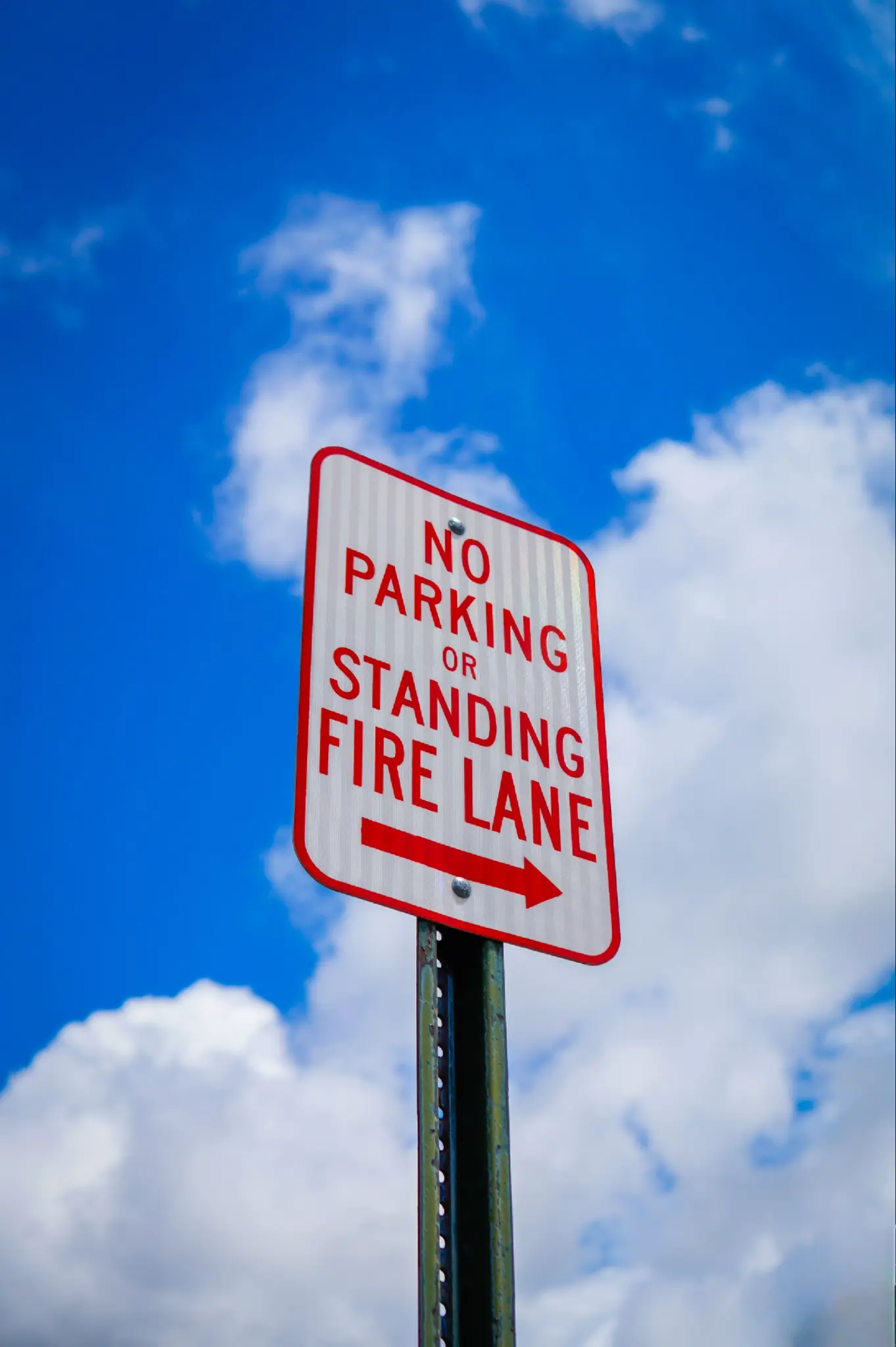
The Ontario Fire Code requires fire access routes to remain immediately ready for fire department vehicles and requires approved signs to identify them. Municipal procedures determine how private routes are designated and marked.
| Requirement | Owner responsibility | Practical action |
| Approved route | Follow the designated layout | Check plans before changing parking or curbs |
| Approved signs | Meet local sign rules | Replace damaged, hidden, or incorrect signs |
| Clear access | Preserve travel and operating space | Remove vehicles, storage, snow, and barriers |
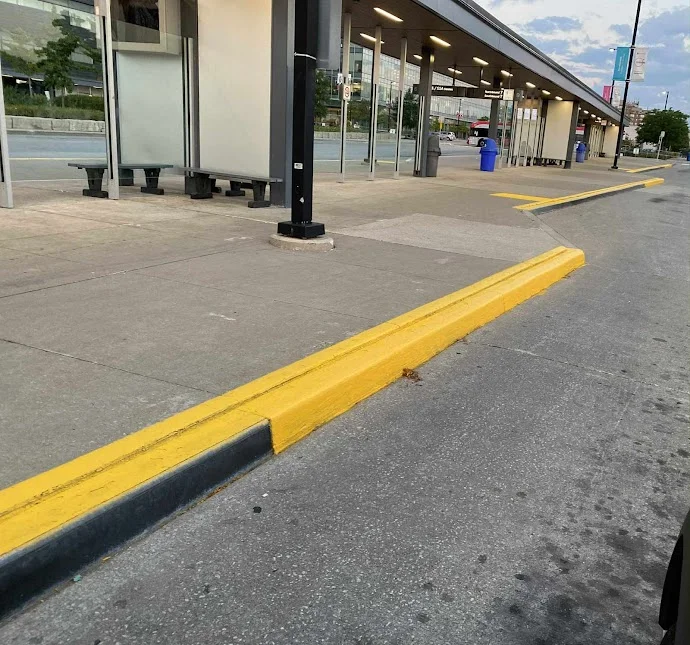
| Visible markings | Show restricted boundaries | Maintain lines, hatching, curbs, and stencils |
The provincial rule sets the safety duty, while exact fire route requirements vary by municipality. Owners should not copy colours, sign spacing, or curb treatments without verifying local approval.
Who Approves and Enforces a Fire Route?
Municipal fire services or authorized officials generally review applications, plans, signs, and proposed changes. Parking or bylaw officers may enforce restrictions once the route is properly designated and signed. The property owner usually remains responsible for installation, maintenance, access, and related costs.
Mississauga asks applicants to show buildings, entrances, hydrants, connections, parking, street access, and the proposed route. Toronto requires application approval before official signs are installed. Review the route before changing parking, gates, loading areas, entrances, or traffic patterns.
How Should Signs and Pavement Markings Work Together?
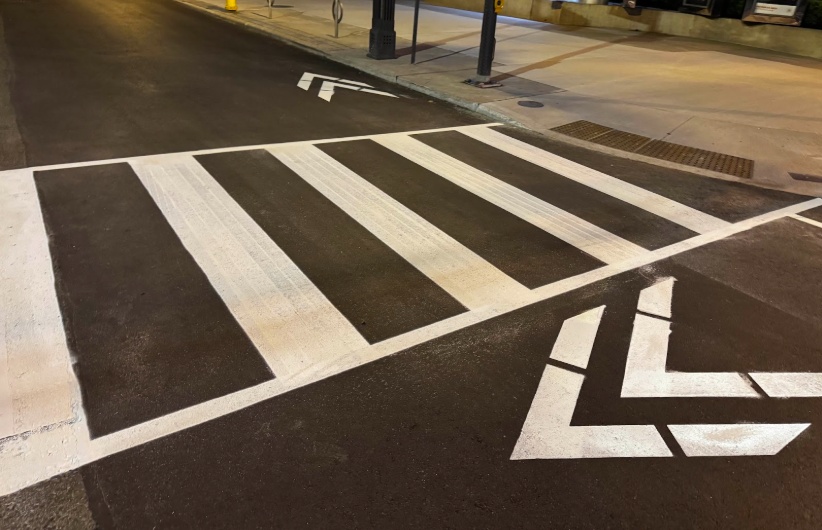
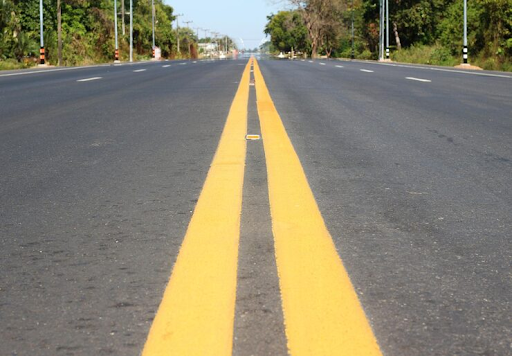
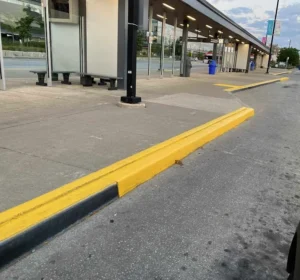
Approved signs state the restriction and support enforcement. Pavement lines, curb markings, hatching, arrows, and stencilled words make protected boundaries easier to understand. Both elements should match the approved plan and remain clearly visible from the direction drivers normally approach.
What Most Property Owners Get Wrong
Many owners assume that red paint or the words “Fire Route” create an enforceable restriction. Paint is a visual aid, not proof of designation. A private route normally requires municipal approval and official signs before local parking rules can be enforced.
A pavement marking and road safety symbol plan should separate emergency access from parking and loading. Suitable paint for parking lot lines helps lines, hatching, arrows, and stencils remain visible on the existing surface.
How Should Owners Apply Fire Lane Regulations?
A successful project begins with documents rather than paint. Owners should confirm the approved route, inspect present conditions, correct conflicts, and schedule work around traffic and weather. Following a consistent sequence prevents crews from tracing an outdated layout or repainting space that no longer matches the approved plan.
- Collect records. Find the site plan, designation, and sign schedule.
- Inspect the route. Check turns, hydrants, connections, gates, signs, and pavement.
- Confirm details. Ask fire prevention staff about unclear limits or changes.
- Correct conflicts. Move storage, revise loading, trim vegetation, and repair pavement.
- Prepare and mark. Use suitable methods and coatings through an experienced commercial line painting service.
- Document the work. Keep photos, approvals, and the next inspection date.
Expert best practice is to walk the site with the approved plan before layout. Tracing old lines without verification can repeat an error or reduce the required operating space.
How Should Owners Maintain the Route and Prevent Common Problems?
Meeting fire lane regulations requires scheduled checks throughout the year. Snow, salt, traffic, landscaping, repairs, tenant activity, and deliveries can hide signs or block the route even when the original design was correct. Maintenance must address both physical markings and daily property operations.
Use this inspection schedule:
- Monthly: Check signs, vehicles, storage, deliveries, and gates.
- After snowfall: Clear the route, signs, hydrants, and connections.
- Each spring: Review salt damage, cracks, and faded paint.
- After repairs: Restore markings removed by construction work.
- After layout changes: Compare the site with the approved plan.
- Before winter: Repaint weak areas while conditions support curing.
Toronto requires owners to keep signs in good repair, clear of snow and ice, and free from obstruction. Mississauga also assigns route, sign, and hydrant maintenance to owners. Consistent asphalt line painting practices support visibility after winter wear or pavement work.
Common failures include snow at corners, delivery vehicles near entrances, waste bins, hidden signs, new stalls over protected space, and locked gates. At a retail plaza, the solution may combine restored markings, a legal loading area, visible signs, and delivery instructions.
Keep Your Fire Route Visible and Ready
Following fire lane regulations means coordinating approval, signs, markings, access control, winter maintenance, and documented inspections. Owners should correct repeated obstruction, review site changes, and repaint before route boundaries become difficult for drivers, tenants, contractors, and visitors to recognize during normal daily use.
Northern Element Contractors provides road marking services in Ontario for many property types. For help with fire lane compliance, call +1 (647) 922-0400 or email info@northernelementcontractors.ca to request a site visit and quote.