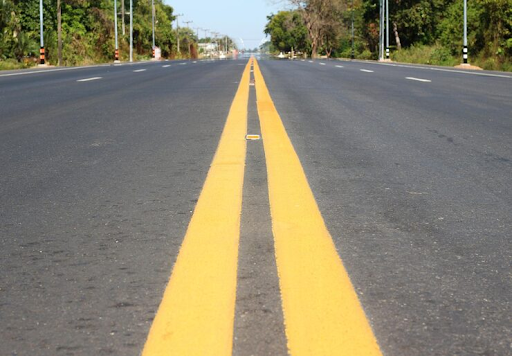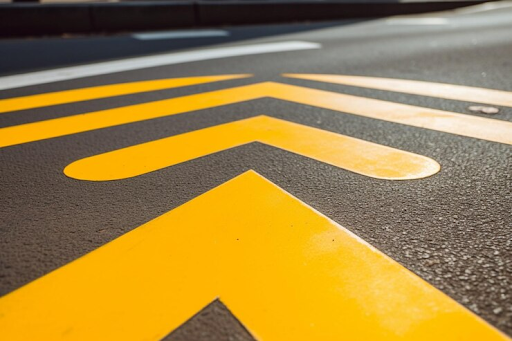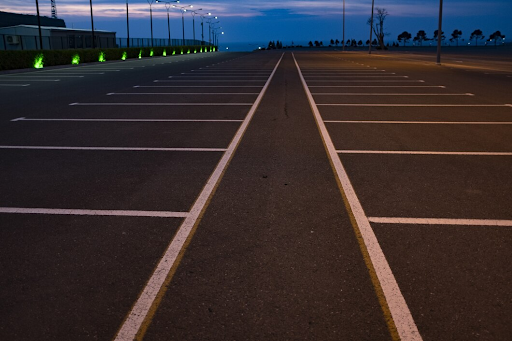
Traffic marking coatings are used to create visible, long-lasting markings on roads, parking lots, warehouses, playgrounds, and commercial surfaces. They improve traffic organization, support safety compliance, and help drivers and pedestrians navigate spaces more clearly in all weather conditions.
Choosing the right paint for pavement depends on the surface, traffic conditions, weather exposure, and the intended use of the markings. This article explains the main types of pavement paint, where they are used, how professionals apply them, and what property owners should know before starting a line painting project. For expert parking lot line painting services, proper material selection and surface preparation play a major role in long-term performance.
Key Takeaways
- Clear pavement markings improve visibility, safety, and site organization across commercial and public spaces.
- Different surfaces require different types of pavement marking paint for proper adhesion and performance.
- Surface preparation is essential for long-lasting pavement markings.
- Reflective additives improve line clarity during rain, snow, and low-light conditions.
- Professional application helps reduce premature fading and uneven markings.
What Is Pavement Paint?
These specialized coatings are applied to asphalt, concrete, and other paved surfaces to create visible traffic and safety markings. They guide vehicles and pedestrians while helping properties meet safety and accessibility standards.
Unlike standard outdoor paint, these coatings are designed to resist weather exposure, heavy traffic, UV rays, moisture, and abrasion.
Where Is Pavement Paint Commonly Used?
Traffic marking systems are used across commercial, municipal, and industrial environments throughout Ontario. Different locations require specific layouts and marking systems based on traffic flow and safety needs.
Common applications include:
- Parking lots
- Municipal roads
- Warehouses and factories
- Schools and playgrounds
- Sports courts
- Hospitals and healthcare facilities
- Loading zones and fire routes
Types of Pavement Paint
Different marking coatings are designed for specific traffic conditions, environments, and durability requirements.
Water-Based Pavement Paint
Water-based coatings are commonly used for parking lots and playgrounds because they dry quickly and produce lower odours.
Solvent-Based Pavement Paint
Solvent-based products provide strong adhesion in colder conditions and heavier traffic areas.
Thermoplastic Pavement Markings
Thermoplastic materials create highly durable roadway markings commonly used for highways and intersections.
Epoxy Pavement Marking Paint
Epoxy coatings provide strong durability and chemical resistance for industrial and warehouse environments.
How to Choose the Right Pavement Paint
Selecting the right marking coating depends on traffic volume, surface material, weather exposure, and visibility requirements.
Consider Traffic Volume
High-traffic roads and parking lots require more durable coatings than low-traffic areas.
Match the Paint to the Surface
Concrete and asphalt surfaces may require different coatings for proper adhesion.
Evaluate Weather Exposure
Snow, moisture, road salt, and freeze-thaw cycles can reduce pavement marking durability in Ontario.
Check Reflectivity Requirements
Reflective additives help improve line clarity on roads, loading zones, and pedestrian crossings at night.
How Pavement Paint Is Applied
Applying pavement marking involves more than simply painting lines on asphalt. Proper application affects visibility, durability, and appearance.
Step 1: Surface Inspection
Contractors inspect pavement condition, cracks, drainage, and existing markings before work begins.
Step 2: Surface Cleaning
The pavement must be cleaned thoroughly before applying any paint for pavement marking. Contractors use sweepers, blowers, or pressure washing equipment to remove contaminants.
Step 3: Layout and Measurements
Precise measurements help ensure compliance with municipal standards and accessibility regulations.
Step 4: Paint Application
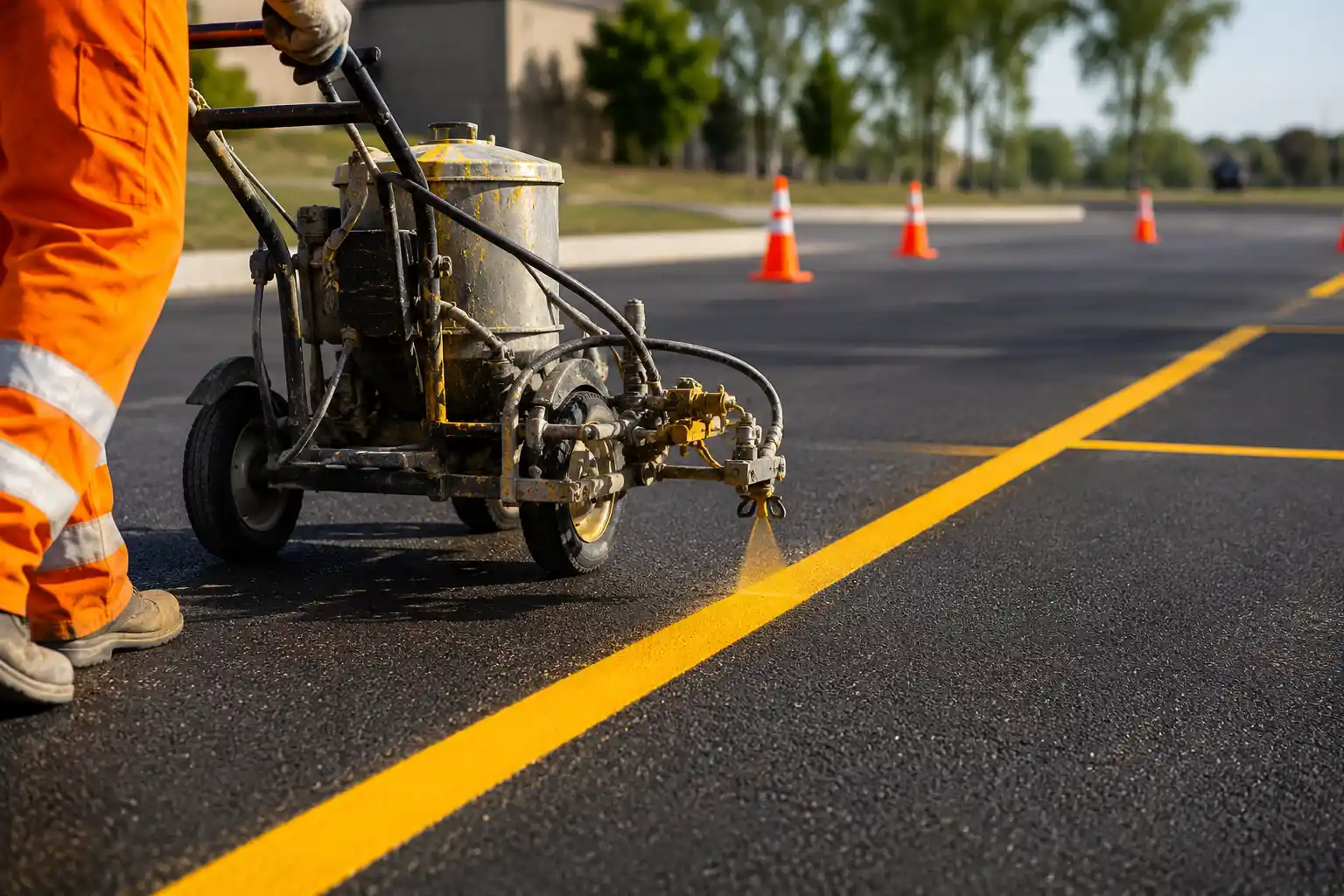
The pavement marking paint is applied using specialized striping machines or spray systems. Reflective additives may also be applied for nighttime visibility.
Step 5: Drying and Curing
Drying time depends on temperature, humidity, paint type, and traffic exposure. Traffic should remain off the surface until curing is complete.
How Long Does Pavement Paint Last?
The lifespan of traffic markings depends on traffic volume, weather conditions, pavement quality, and maintenance practices.
| Pavement Paint Type | Typical Lifespan |
| Water-based paint | 1 to 2 years |
| Solvent-based paint | 2 to 3 years |
| Epoxy paint | 3 to 5 years |
| Thermoplastic markings | 5 years or more |
Ontario winters can reduce pavement marking lifespan due to snowplows, moisture, road salt, and freeze-thaw cycles.
Best Practices for Long-Lasting Pavement Paint
Several practices can improve line marking performance and reduce premature fading.
Use the Right Paint for the Surface
Using compatible coatings helps improve adhesion and reduce premature peeling.
Schedule Painting During Suitable Weather
Most traffic marking coatings require dry weather and moderate temperatures for proper curing. Rain, excessive humidity, or freezing temperatures can reduce performance.
Maintain the Pavement Surface
Cracks, potholes, and standing water can accelerate pavement marking deterioration.
Use Reflective Additives
Glass beads and reflective materials improve line clarity during nighttime driving and poor weather conditions.
One of the most common mistakes is applying markings over dirty, wet, or damaged surfaces. Proper surface preparation and weather timing play a major role in long-term performance.
Pavement Paint Colours and Their Meanings
Standard pavement marking colours help communicate traffic rules, safety zones, and restricted areas across commercial and public properties.
White Pavement Markings
White markings separate traffic moving in the same direction and identify parking spaces, lane dividers, and pedestrian crossings.
Yellow Pavement Markings
Yellow lines separate opposing traffic directions and identify no passing zones or restricted areas.
Blue, Red, and Green Markings
Blue markings commonly identify accessible parking areas. Red markings are often used for fire routes and emergency access zones, while green markings may identify bicycle lanes or specialized traffic zones.
Pavement Paint vs Thermoplastic Markings
Both systems improve pavement visibility and safety, but they differ in lifespan, cost, and application methods.
| Feature | Pavement Paint | Thermoplastic |
| Initial Cost | Lower | Higher |
| Lifespan | Shorter | Longer |
| Best For | Parking lots, warehouses | Roads, intersections |
| Maintenance Frequency | More frequent | Less frequent |
Thermoplastic systems often provide better long-term value for high-traffic municipal roads, while traditional pavement striping paint remains practical for many commercial properties.
Signs It’s Time to Repaint Pavement Markings
Faded or damaged markings can reduce visibility and create safety concerns for drivers and pedestrians.
Common warning signs include:
- Faded or difficult-to-see lines
- Peeling or patchy paint
- Reduced nighttime reflectivity
- Missing accessible parking symbols
- Confusing traffic flow
Routine maintenance helps properties maintain a cleaner appearance while reducing safety concerns.
How Professional Pavement Painting Improves Property Safety
Professional pavement painting helps organize traffic and improve pedestrian safety across commercial and public properties.
Benefits include:
- Improved traffic flow
- Better pedestrian visibility
- Cleaner property appearance
- Reduced liability risks
- Easier site navigation
- Compliance with accessibility standards
Conclusion
Choosing the right traffic marking system helps improve visibility, traffic organization, and safety across commercial, municipal, and industrial properties.
Northern Element Contractors provides pavement marking, roadway line painting, warehouse floor marking, and parking lot striping services across Ontario. Reach out through the Contact Us page, call +1 (647) 922 0400, or email info@northernelementcontractors.ca to request a site assessment or get a free quote for your next pavement painting project.