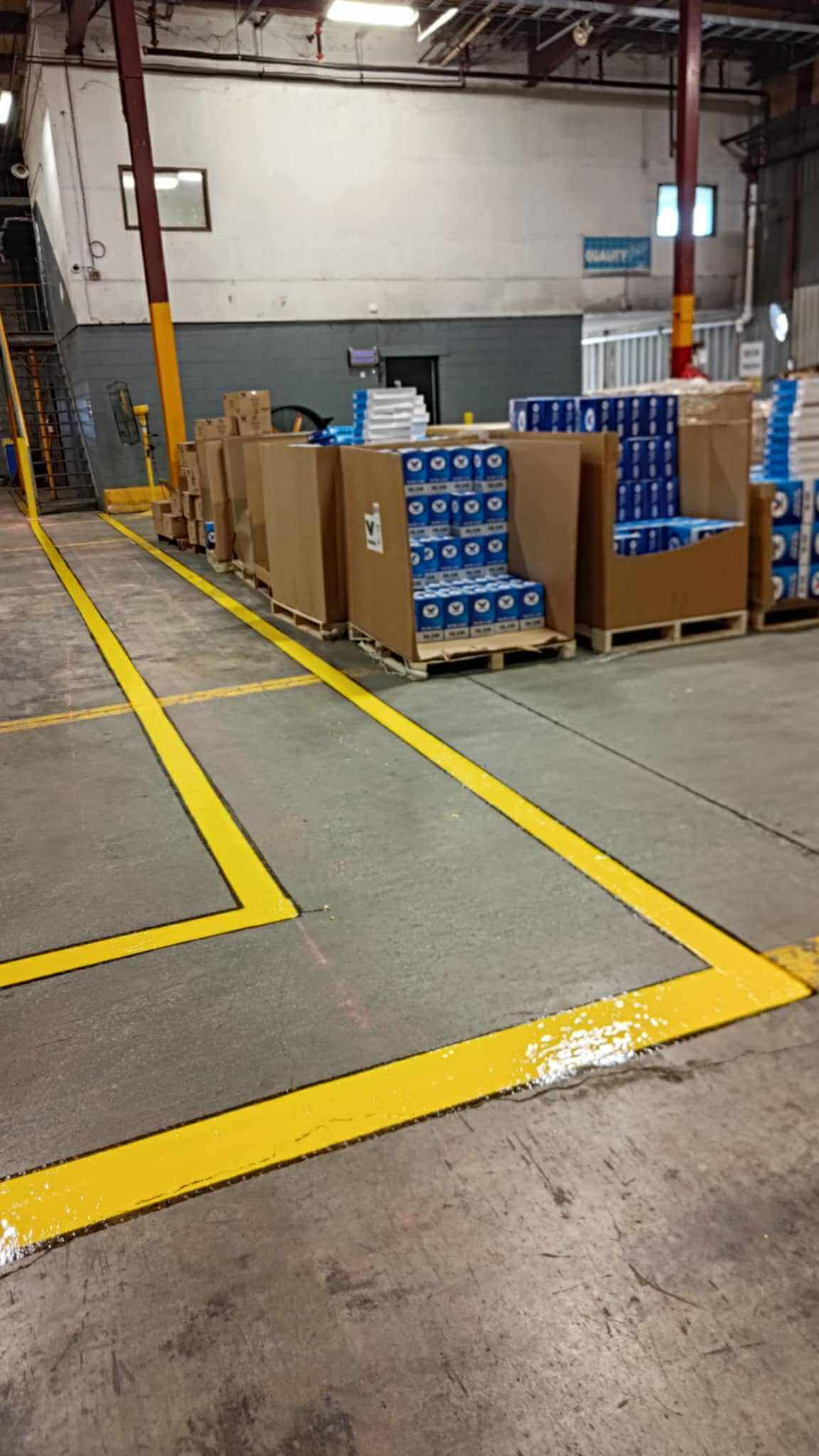
Maintaining a safe and organized workspace is crucial in any industrial or commercial setting. Understanding the floor marking safety colour code helps businesses clearly indicate hazards, pathways, and operational zones, making workplaces safer for everyone. These colour codes are more than simple guidelines—they are essential tools for preventing accidents and improving workflow efficiency.
Key Takeaways
- Floor markings guide employees and visitors safely through facilities.
- Each colour has a specific meaning to communicate hazards, equipment, or pathways.
- Adhering to a floor marking colour standards guide ensures consistency and compliance.
- Proper floor marking enhances visibility and organization within busy environments.
Understanding Floor Marking Colour Codes
Floor markings are a visual language that communicates critical safety information at a glance. Using the correct floor marking colour code helps workers instantly recognize potential dangers and designated areas. Standard colours include:
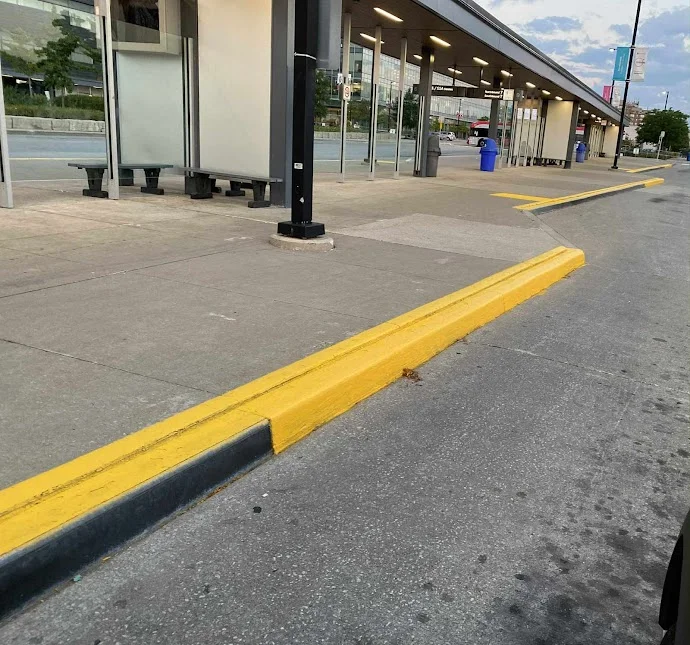
- Yellow: Signals caution or physical hazards and draws attention to areas requiring alertness.
- Red: Indicates fire hazards or emergency stop locations, emphasizing immediate attention.
- Green: Marks safe zones or areas where first aid equipment is located.
- Blue: Used for mandatory actions or information, often highlighting safety instructions.
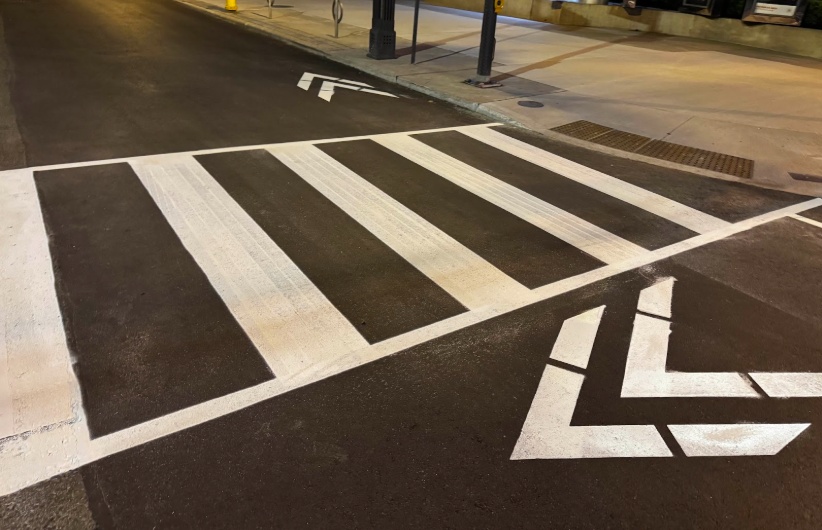
- White: Guides traffic flow, pedestrian paths, or general boundaries within facilities.
Following a floor marking colour standards guide ensures that your facility communicates safety consistently, which is particularly important for employees, visitors, and regulatory compliance.
Benefits of Consistent Floor Markings
Implementing floor marking colour standards offers several advantages:
- Improved Safety: Colour-coded markings reduce the likelihood of accidents and injuries.
- Efficient Navigation: Employees can quickly identify pathways, storage zones, and restricted areas.
- Regulatory Compliance: Aligning with local safety standards prevents penalties and promotes a culture of safety.
- Enhanced Productivity: Clear visual cues streamline movement and reduce confusion in busy areas.
Investing in proper markings is more than a regulatory requirement; it fosters a safer, more productive workplace culture. For businesses looking to upgrade, services like epoxy floor line painting and factory floor markings can help implement these standards effectively.
Implementing Floor Marking Colour Standards
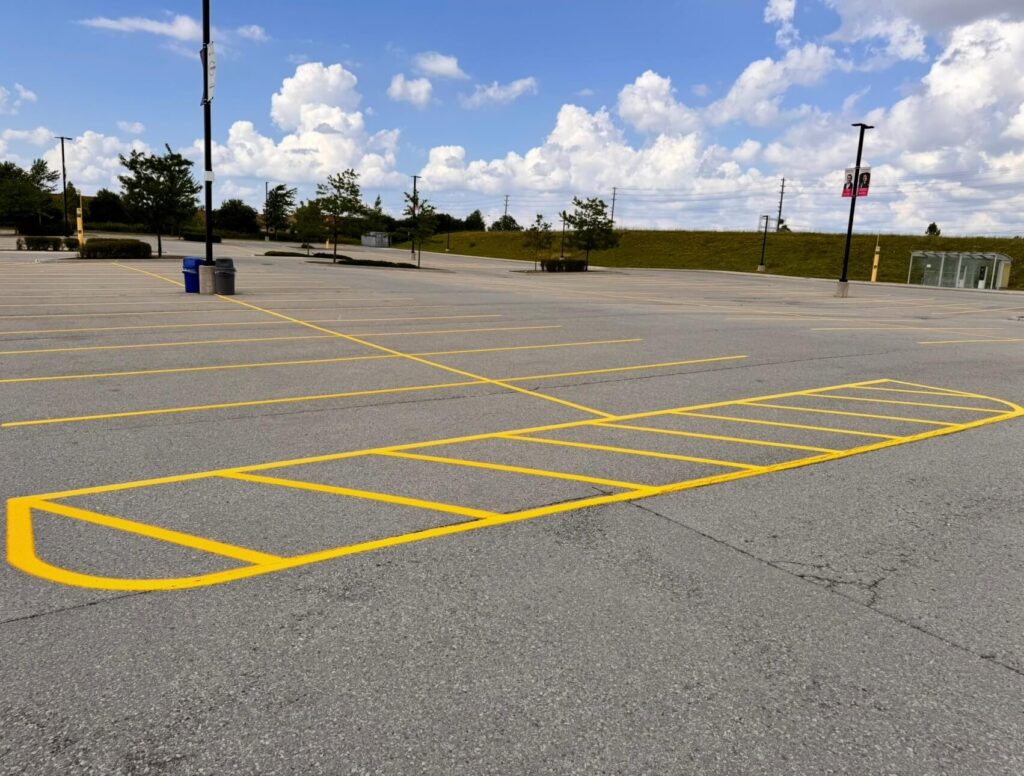
Adopting the right floor marking colour codes starts with evaluating the workspace layout. Begin by identifying hazard zones, pedestrian walkways, and equipment areas. Choose colours that comply with the floor marking colour standards guide and apply markings with precision.
Regular maintenance ensures markings remain visible and effective. Over time, wear and tear can reduce contrast, making it harder for employees to identify critical areas. Using high-visibility coatings or long-lasting finishes helps maintain clarity. Additionally, training employees on the meaning of each colour reinforces workplace safety practices.
Linking Safety to Operational Efficiency
Beyond hazard prevention, consistent floor markings support operational efficiency. Clearly defined zones prevent equipment from obstructing pathways, improve workflow, and minimize the risk of costly disruptions. For insights on how visual cues can prevent accidents outside the workplace, this guide on road safety symbols highlights how clear markings reduce confusion and enhance safety. Similarly, yellow line usage demonstrates the importance of colour in signalling hazards.
Integrating these principles into your facility ensures that floor markings are not just aesthetic but functional, guiding employees safely while boosting productivity.
Conclusion
Following a floor marking safety colour code creates a safer, more organized workspace and aligns your facility with established safety standards. Properly implemented markings improve navigation, prevent accidents, and communicate hazards clearly. For a professional installation or consultation, contact Northern Element Contractors at +1 (647) 922-0400. Our team can help you implement floor marking colour standards that meet your safety and operational needs.