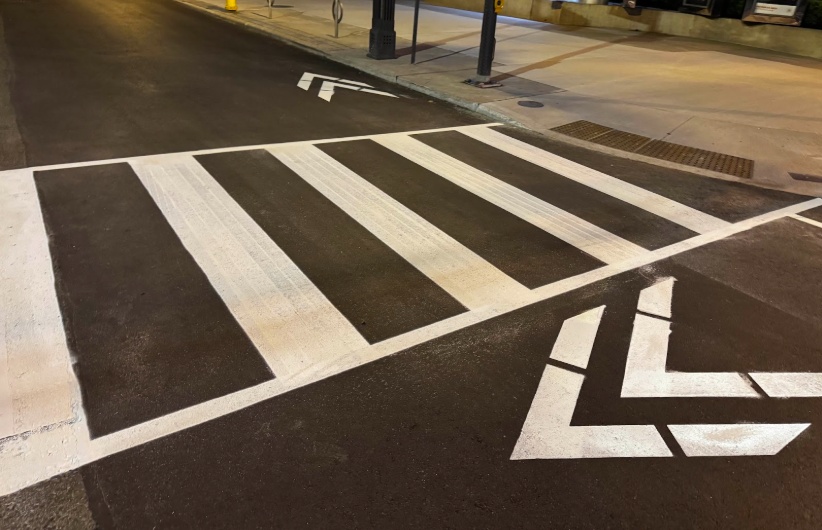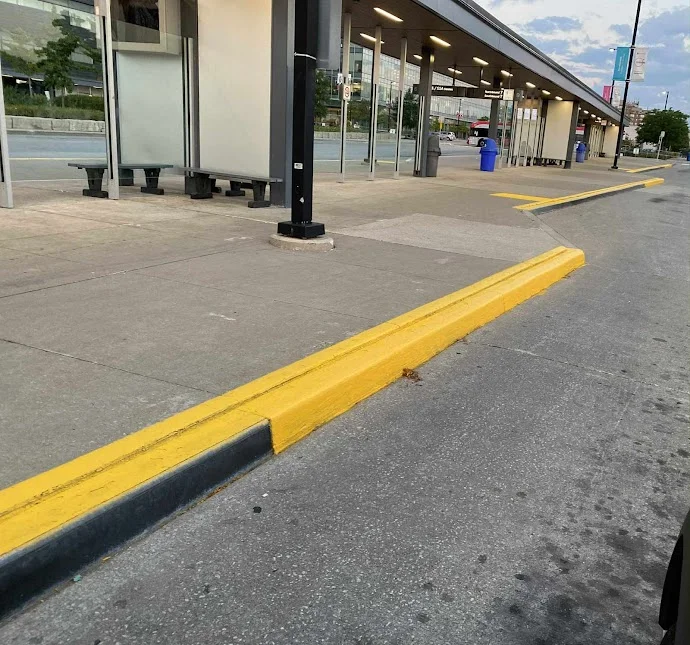
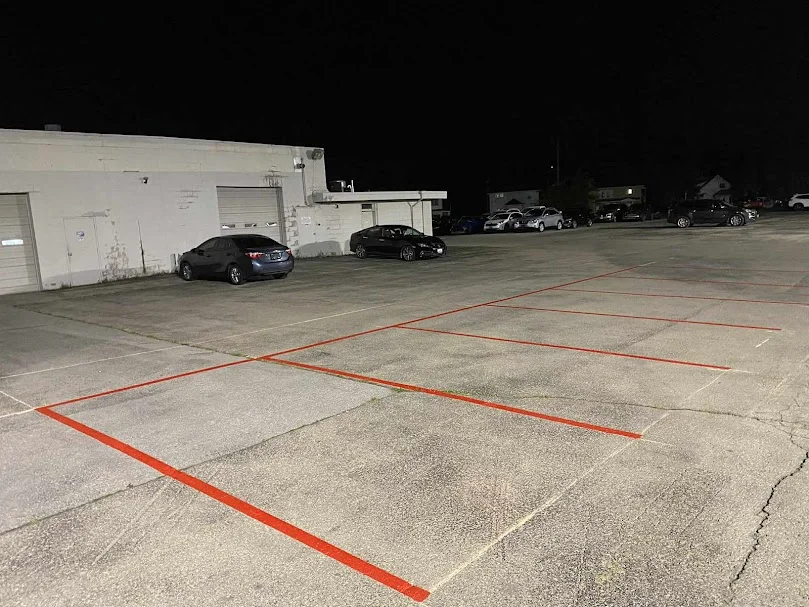
Temporary pavement marking tape is a practical solution for managing short-term traffic changes, construction zones, and evolving parking layouts. It provides clear visual guidance where permanent markings are not yet appropriate, helping reduce confusion while maintaining safety. Across Ontario, property managers, contractors, and municipalities rely on temporary marking tape to keep vehicles and pedestrians moving safely during transitions. When used correctly, they deliver a reliable balance of visibility, flexibility, and cost control.
This solution is especially useful when layouts are still being tested or approvals are pending. Instead of repainting multiple times, site managers can adapt markings quickly without long-term impact on the pavement surface.
Key Takeaways
- Temporary pavement marking tape supports safe traffic flow during short-term changes
- It installs quickly and removes cleanly without surface damage
- Ideal for construction zones, events, and temporary parking lot markings
- Works best when applied by experienced pavement marking professionals
What Is Temporary Pavement Marking Tape?
Temporary pavement marking tape is a surface-applied marking designed for short-term use on asphalt or concrete. Unlike paint, it does not require curing time, allowing traffic to resume shortly after installation. This makes it a practical option for time-sensitive projects.
Temporary road marking tape is commonly used during roadwork, detours, and phased construction. It is often installed alongside professional
road marking services to maintain clear guidance while permanent layouts are pending. Engineered for visibility and traction, the tape performs reliably in changing weather conditions.
When Temporary Pavement Marking Is the Right Solution
Temporary pavement marking is ideal when traffic patterns are expected to change. Construction zones frequently rely on it as lanes shift or access points are modified. Event venues also use temporary markings to guide vehicles safely without altering existing surfaces.
Property owners often rely on temporary parking lot markings to test layouts before committing to permanent solutions. This approach helps avoid unnecessary rework once full
parking lot line painting is applied. Temporary layouts provide real-world insight into traffic flow, spacing, and driver behaviour.
Benefits of Temporary Road Marking Tape
One of the main advantages of temporary road marking tape is speed. Installation is fast and minimally disruptive, which is critical in high-traffic environments. Crews can apply markings efficiently while keeping sites operational.
Another benefit is removability. Removable pavement marking tape is designed to lift cleanly without damaging asphalt or leaving residue when removed correctly. This makes it suitable for new pavement, leased properties, or areas scheduled for future upgrades. High-visibility materials also improve driver awareness during low-light or high-traffic conditions.
How Removable Pavement Marking Tape Improves Safety
Clear guidance is essential in areas where traffic patterns change frequently. Removable pavement marking tape provides consistent visual cues that drivers can easily follow, reducing hesitation and unsafe manoeuvres.
Temporary markings are most effective when combined with complementary visual tools. They are often paired with
stencil markings such as directional arrows, fire routes, or pedestrian indicators to reinforce instructions. Clear guidance reduces confusion in busy lots, especially when markings are supported by symbols that improve overall driver awareness in high-traffic parking environments.
Practical Uses for Temporary Parking Lot Markings
Temporary parking lot markings are widely used across commercial, industrial, and institutional properties. Retail centres rely on them during seasonal peaks to manage overflow traffic. Industrial sites use temporary layouts to accommodate operational changes without committing to permanent markings.
Schools, hospitals, and community facilities also benefit during renovations or special events. Understanding how pavement symbols communicate direction and priority plays a key role in improving traffic flow across roads and shared spaces. Once the temporary layout is no longer required, markings can be removed cleanly and efficiently.
Installation and Removal Best Practices
- Ensure pavement surfaces are clean and dry before installation to support strong adhesion and clear visibility
- Use precise layout measurements during installation to maintain accuracy and meet safety compliance standards
- Rely on professional crews to apply markings consistently and in line with industry best practices
- Plan removal with equal care to avoid surface damage
- Remove temporary pavement marking tape at the appropriate time to prevent residue
- Use temporary tape as a smooth transition before permanent markings or resurfacing work
Why Professional Application Makes a Difference
Although temporary markings may appear simple, professional application ensures correct placement, spacing, and visibility. Experienced teams understand how markings interact with traffic flow and site design.
Professionals also help integrate temporary solutions into long-term pavement marking plans. Using temporary layouts to test traffic movement reduces costly corrections and supports safer, more efficient permanent installations.
Conclusion
Temporary pavement marking tape provides a flexible and effective way to manage short-term traffic and parking needs without a permanent commitment. It improves safety, enhances organization, and allows for easy layout adjustments as conditions change. For expert service and guidance, contact Northern Element Contractors at info@northernelementcontractors.ca or call +1 (647) 922-0400.