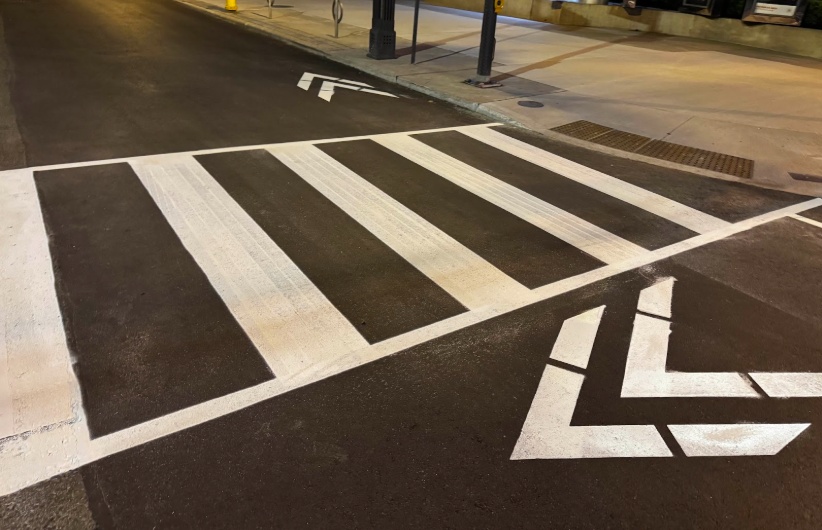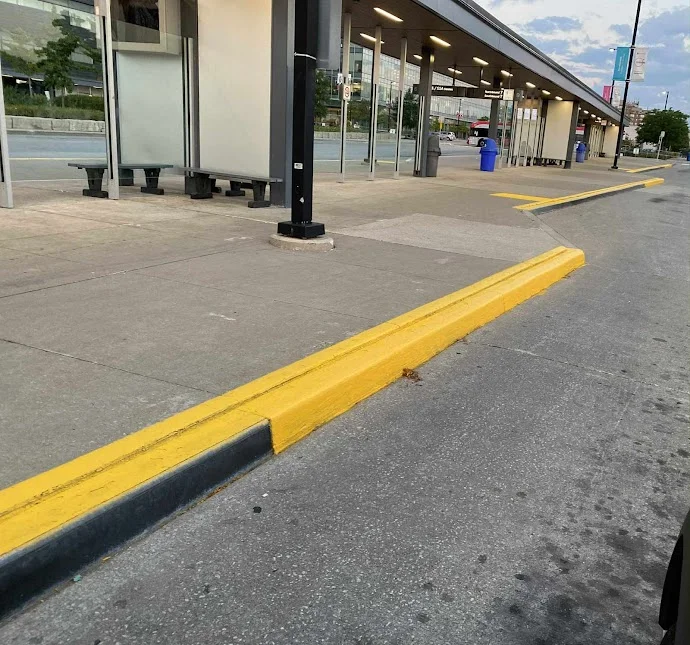
Workplace safety for line painting focuses on protecting workers, improving visibility, and reducing accidents during marking projects. It involves proper planning, safe equipment use, and compliance with Canadian safety standards. When applied correctly, it creates safer environments while keeping operations efficient and compliant.
For facilities across Ontario, combining safety protocols with professional services like warehouse floor marking in Ontario helps ensure consistent, high-quality results.
Workplace safety in line painting is achieved through structured planning, hazard identification, and controlled application processes. Northern Element Contractors manages safety by assessing site conditions, setting up clear work zones, and using appropriate equipment to protect workers and maintain visibility. Each project follows established safety practices and compliance requirements to reduce risk, support efficient operations, and ensure consistent, high-quality marking results.
Key Takeaways
- Improve safety and reduce workplace risks
- Follow structured planning and preparation processes
- Use proper equipment to protect workers
- Maintain clear markings to support navigation and compliance
- Inspect and update markings regularly to ensure long-term safety
What Is Workplace Safety for Line Painting
Workplace safety for line painting refers to the systems and practices used to protect workers and maintain safe environments during marking projects. It includes hazard identification, proper equipment use, and clear visual guidance to reduce confusion.
These practices are widely used across Ontario in warehouses, parking lots, and industrial facilities where visibility directly impacts safety.
Why Is Workplace Safety for Line Painting Important
Proper safety practices help prevent accidents, improve workflow, and ensure regulatory compliance. Clear markings guide movement, while structured processes reduce exposure to hazards such as fumes, slips, and equipment risks.
The Government of Canada outlines workplace health and safety requirements, including hazard identification and injury prevention systems that support safer operations. It emphasizes that clear hazard communication, including markings and signage, is part of effective injury‑prevention and regulatory‑compliance frameworks.
Warehouse Safety Painting and Compliance Standards
In high-traffic environments such as warehouses, these safety principles become even more critical. Warehouse safety painting ensures clear pathways and organized movement for workers and equipment.
Key Safety Standards to Follow
- Mark pedestrian walkways clearly
- Define forklift and equipment lanes
- Identify hazard zones using high-visibility colours
- Mark emergency exits and access routes
Facilities that follow structured marking systems often experience fewer accidents and improved operational flow. For more details, the safety markings for workspace safety compliance explain how proper markings improve safety outcomes.
Painting Contractor Safety Manual: What Should Be Included
A painting contractor’s safety manual provides clear guidelines for safe operations during marking projects. It ensures consistency and helps teams follow the same procedures across all job sites.
Essential Elements
- Conduct risk assessments before starting work
- Define personal protective equipment requirements
- Establish equipment handling procedures
- Prepare emergency response plans
- Follow safe chemical handling practices
Painting Safety Equipment Every Team Needs
Using proper painting safety equipment helps protect workers and maintain compliance with safety regulations. It reduces exposure to hazards and improves overall working conditions.
Common Safety Equipment
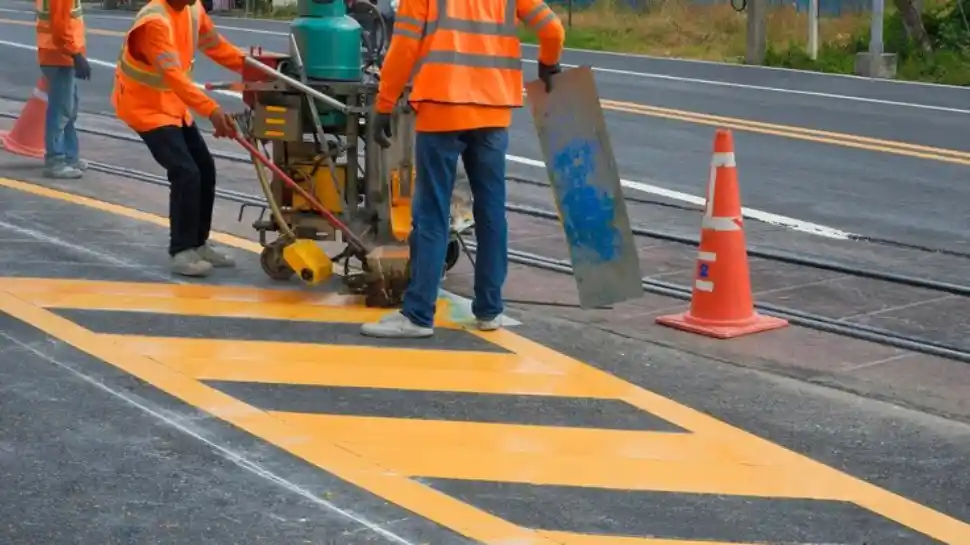
- Wear high-visibility clothing
- Use respirators or masks
- Protect hands with safety gloves
- Wear slip-resistant footwear
- Use eye protection and ventilation systems
Proper equipment plays a critical role in preventing injuries and maintaining safe operations.
Safety When Painting in Active Work Environments
Applying safety measures in active environments requires careful planning to avoid disruptions and reduce risk. Workers must coordinate with ongoing operations to maintain a safe workspace.
Best Practices
- Schedule work during low-traffic periods
- Set up barriers and warning signage
- Communicate clearly with staff
- Ensure proper airflow and ventilation
- Monitor work zones throughout the process
These steps help maintain safety while allowing operations to continue efficiently.
Step-by-Step Process for Safe Line Painting
Following a structured process ensures consistent results and reduces risks during marking projects.
Step-by-Step Guide
- Assess the site and identify hazards
- Plan the layout and marking zones
- Prepare surfaces by cleaning and drying
- Set up barriers and safety controls
- Apply markings using appropriate equipment
- Inspect the area before reopening
This process ensures both safety and efficiency across all stages of the project.
Workplace Safety for Line Painting vs General Painting Safety
Understanding the difference between line painting and general painting helps teams apply the correct safety measures.
Key Differences
Environment
- Line painting occurs in high-traffic areas
- General painting occurs in controlled environments
Risk Factors
- Line painting involves the movement of vehicles and equipment
- General painting focuses on surface and chemical exposure
Visibility Requirements
- Line painting requires high-visibility markings
- General painting focuses on appearance and finish
Applying the right approach ensures better safety outcomes.
Cost of Poor Line Painting Safety
Ignoring proper safety practices during line marking can lead to costly consequences that affect both operations and employees.
Key Risks
- Increased workplace accidents
- Operational downtime and delays
- Higher maintenance and rework costs
- Potential regulatory penalties
Investing in proper safety systems reduces these risks and supports long-term efficiency for facilities across Ontario.
What Most People Get Wrong About Line Painting Safety
Many believe safety only applies during application. In reality, safety depends on planning, layout design, and ongoing maintenance.
Poorly designed markings can create confusion, even when applied correctly. Maintaining clear layouts and updating worn markings is essential for long-term safety.
Real World Applications of Safe Line Painting
Applying proper safety practices in line painting leads to measurable improvements in efficiency and risk reduction across industries.
Warehouse Operations
Clear markings reduce picking errors and improve workflow efficiency in busy facilities.
Parking Lots
Defined lanes and zones improve traffic flow and reduce the risk of accidents. For more insight, parking lot striping costs and benefits explain how proper markings improve safety and organization.
Industrial Facilities
Clearly marked hazard zones help workers identify risks quickly and operate more safely.
Common Safety Mistakes to Avoid
Avoiding common mistakes helps maintain effective and reliable marking systems.
Poor Surface Preparation
Unclean or wet surfaces reduce adhesion and lead to unclear markings.
Lack of Planning
Unstructured layouts can create confusion instead of improving safety.
Ignoring Maintenance
Faded or damaged markings reduce visibility and increase risk over time.
When to Choose Professional Line Painting Services
Choosing professional services ensures accurate layouts, proper material selection, and compliance with safety standards.
Experienced contractors design marking systems that improve both safety and workflow efficiency. Across Ontario and the GTA, Northern Element Contractors provides reliable solutions that help maintain clean, organized, and compliant environments.
Conclusion
Line painting safety plays a critical role in creating safe, efficient, and compliant work environments. By following proper planning, using the right equipment, and maintaining clear markings, businesses can reduce risks and improve daily operations. For facilities across Ontario, a well-planned marking system supports safer environments and better workflow performance. Reach out to Northern Element Contractors through our Contact Us page or call us at +1 (647) 922 0400 today.