Maintaining a commercial property requires more than just a fresh coat of asphalt; it demands a strategic approach to traffic management and pedestrian protection. One of the most critical yet overlooked elements of pavement maintenance is the integration of specialized zones. Understanding the various purposes of hatchmarks in line painting is vital for any facility manager looking to reduce liability and improve navigation. These diagonal lines serve as visual barriers that communicate “do not enter” or “keep clear” without the need for vertical walls.
Key Takeaways
- Safety First: Hatch marks identify “no-go” zones for vehicles, protecting pedestrians and infrastructure.
- Regulatory Compliance: Properly painted hatched areas help businesses meet AODA and fire code requirements.
- Traffic Flow: They prevent bottlenecking by discouraging illegal parking in loading zones or near intersections.
- Durability Matters: Using TTP-1952B compliant paint ensures that these high-traffic markings resist wear and environmental fading.
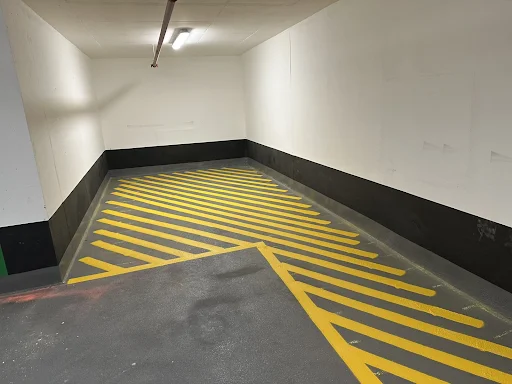
What are Hatch Marks?
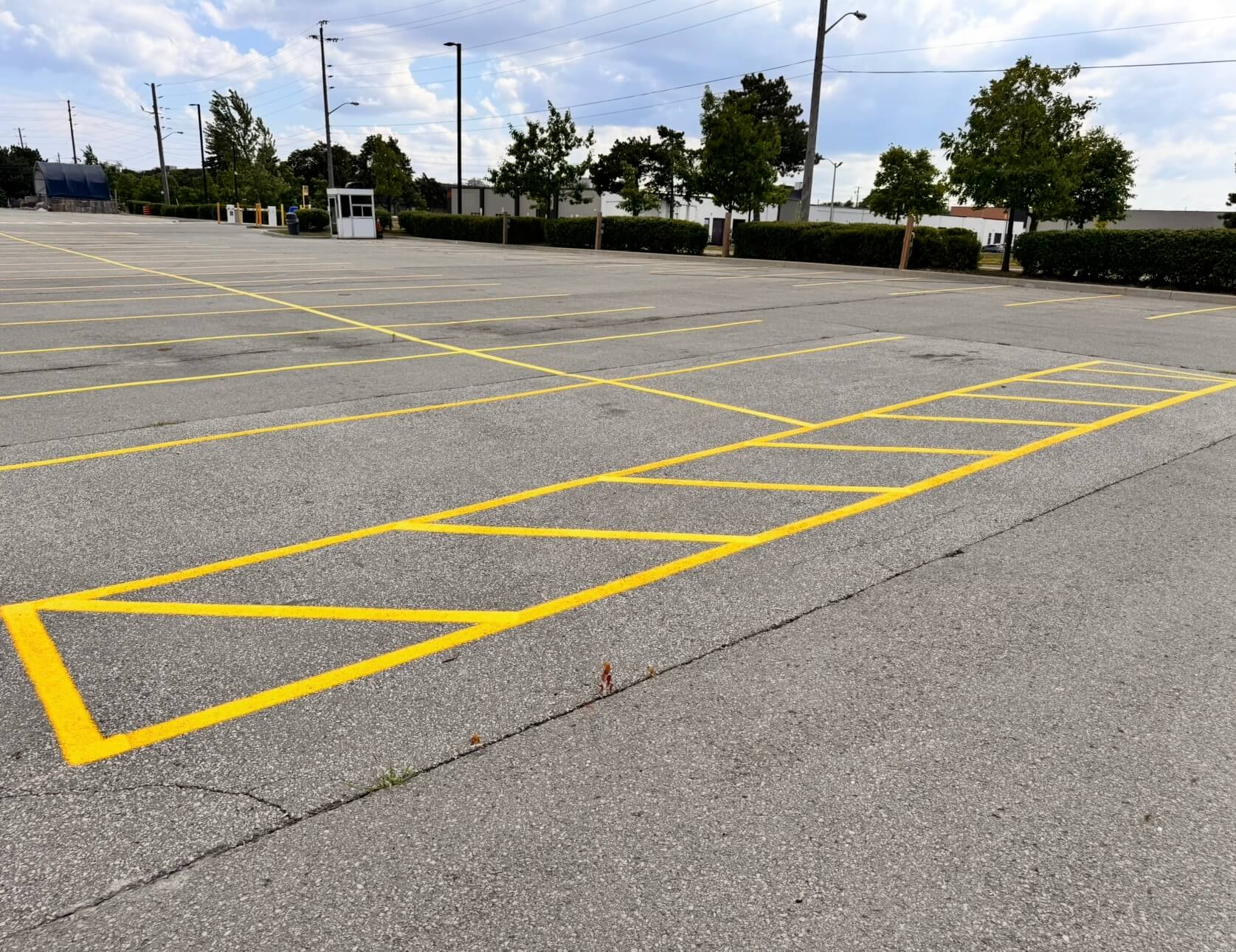
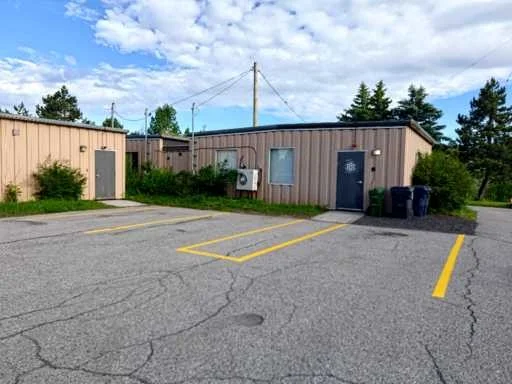
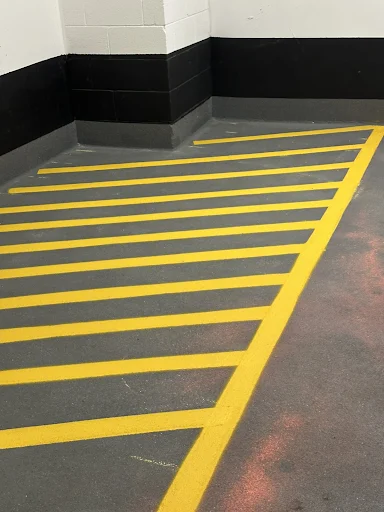
Essentially, these are a series of parallel diagonal lines encased within a solid border, often referred to as “cross-hatching” or “chevron markings.” They are used to fill an area of pavement where vehicle travel is prohibited or restricted. Whether they are painted in bright traffic yellow or stark white, their primary goal is to provide a clear, unmistakable psychological barrier. By defining these spaces, you eliminate the ambiguity that leads to accidents or blocked access points.
Critical Functions of Hatched Zones in Modern Infrastructure
The purpose of hatch marks in line painting extends far beyond simple aesthetics. In busy environments like shopping centers or industrial hubs, these markings perform several heavy-duty tasks:
- Pedestrian Buffer Zones: Creating a “dead space” between moving vehicles and walking paths to ensure shopper safety.
- Fire Hydrant Clearance: Ensuring emergency services have unobstructed access to water supplies by marking the surrounding ground as a restricted zone.
- Loading Dock Organization: Helping logistics drivers identify where trailers should not be parked to maintain a clear path for forklift and warehouse equipment.
- Approach Markings: Guiding drivers away from physical obstructions like medians, bridge piers, or toll booths.
- Turning Radius Protection: Preventing long vehicles from clipping corners or encroaching on opposing lanes in tight parking lots.
Enhancing Accessibility and Safety Standards
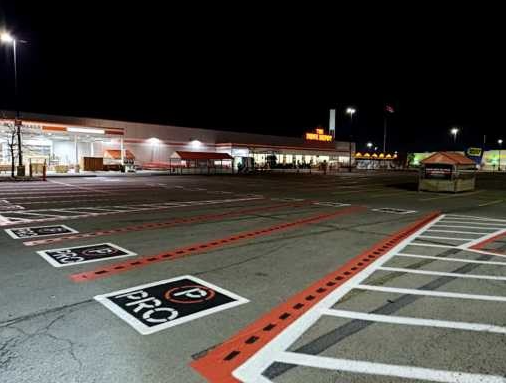
A major component of modern site management involves meeting strict accessibility guidelines. One of the most common purposes of hatchmarks in line painting is to create the necessary “access aisles” adjacent to disabled parking spaces. These blue or white hatched areas provide the essential room needed for ramp deployment and wheelchair maneuverability. Without these markings, drivers might park too close to one another, effectively trapping a person with a disability inside their vehicle.
Professional Application for Long-Lasting Results
The effectiveness of any pavement marking depends entirely on the quality of the application. Faded or peeling lines can lead to confusion, which is why we utilize high-solids waterborne or alkyd-based paints that bond deeply with the substrate. For industrial environments, we often recommend warehouse floor markings with hatching to designate battery-charging stations or emergency exit paths. This level of precision prevents workplace injuries and ensures your facility passes inspections with flying colours.
The Superior Advantage of Strategic Line Striping
When you prioritize the purposes of hatchmarks in line painting, you are essentially designing a safer environment for everyone who visits your property. Clear markings reduce the frequency of low-speed collisions and fender benders by removing the guesswork from driving. Furthermore, well-maintained parking lot line painting sends a message of professionalism and care to your clientele. It shows that you value their safety and have taken the necessary steps to organize your space efficiently. For those managing high-traffic areas, utilizing stencil markings within hatched zones can add an extra layer of instruction, such as “NO PARKING” or “FIRE ROUTE.”
Conclusion
Investing in professional pavement markings is a proactive way to manage traffic and protect your assets. Understanding the purposes of hatchmarks in line painting allows you to create a layout that is both intuitive and compliant with Ontario safety regulations. Northern Element Contractors provides expert striping services that stand the test of time and weather. Contact our team today at +1 (647) 922 0400 to schedule a consultation and ensure your property is marked for success.