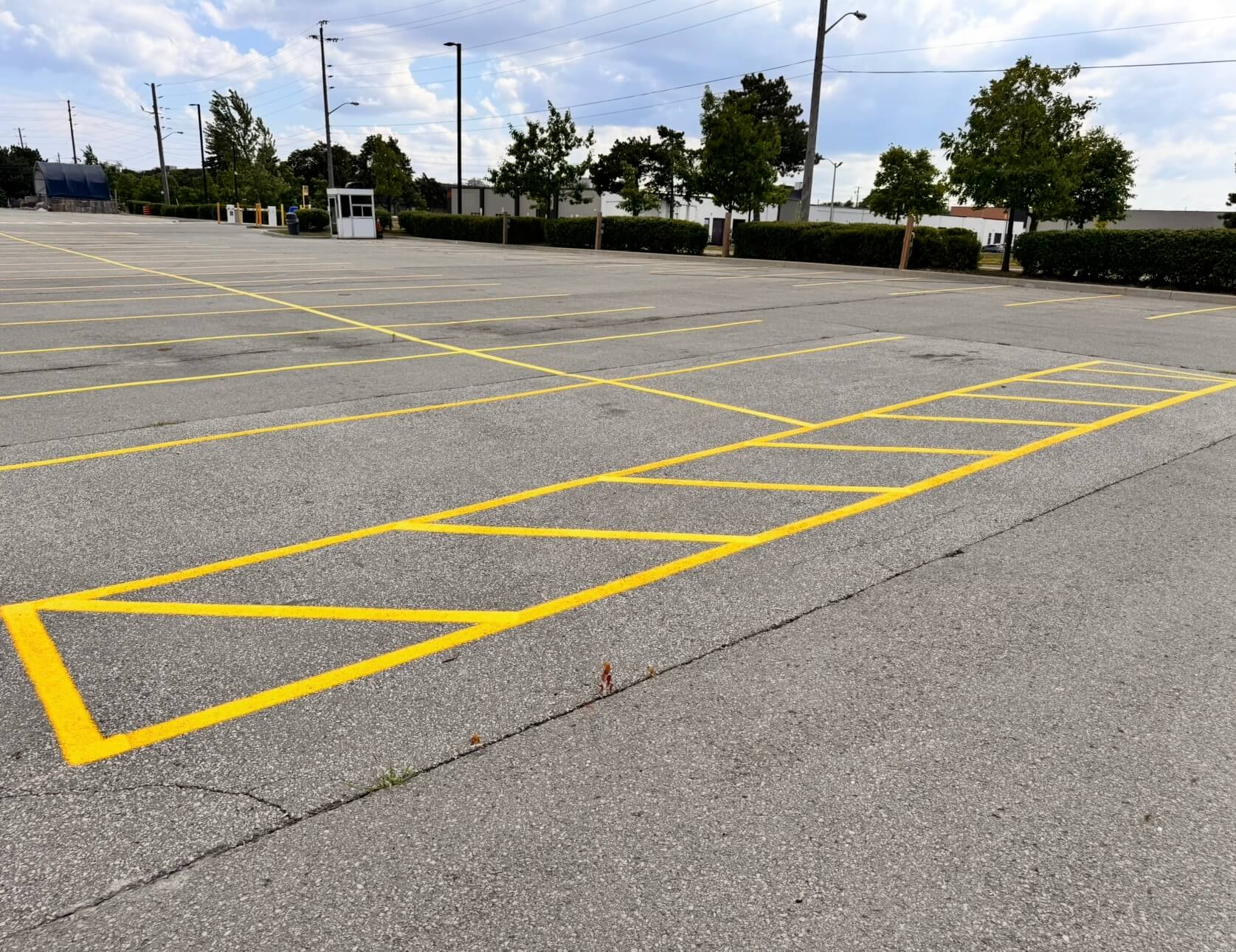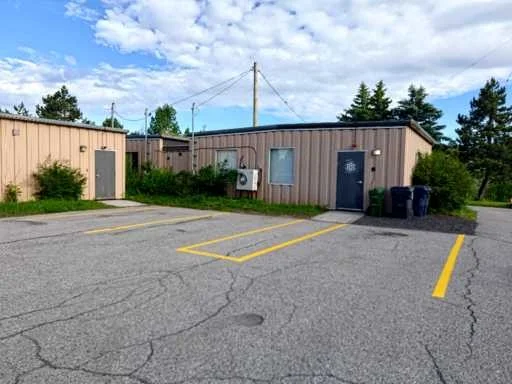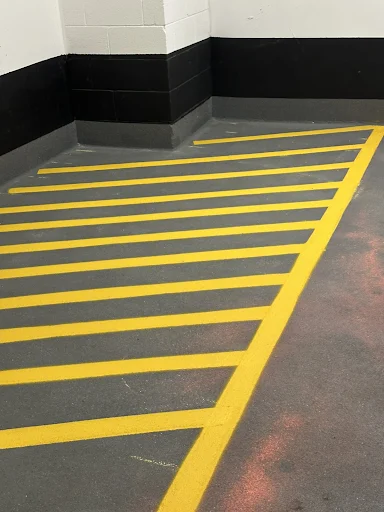
Maintaining an organized and safe property starts with sharp, clear markings that guide every visitor through your facility. Whether you are managing a busy commercial parking lot in Ontario or a private industrial warehouse, understanding the different kinds of stencils for line painting is essential for traffic flow and regulatory compliance. High-quality markings ensure that drivers and pedestrians know exactly where to go, reducing confusion and improving the overall look of your lot. At Northern Element Contractors, we prioritize precision, using the right tools to create crisp icons that stand up to heavy daily use and harsh Canadian weather.
Key Takeaways for Professional Stencilling
- Precision Matters: Choosing the right line painting stencil types ensures legible, professional-grade results every time.
- Material Selection: Professional tools are usually made from high-grade plastics or metal to resist paint buildup and ensure a flat lay.
- Safety First: Proper markings for fire lanes and handicap stalls are legal requirements for business owners in most jurisdictions.
- Customization: Beyond standard icons, custom layouts can include branding or specific directional instructions for unique properties.
The Importance of High-Quality Line Painting Stencils
When it comes to property maintenance, the clarity of your pavement markings speaks volumes about your attention to detail. Using the correct types of pavement marking stencils allows for uniform application across large surfaces, which is vital for consistency. By utilizing different kinds of stencils for line painting, contractors can ensure every “No Parking” sign and directional arrow looks identical, providing a cohesive look to your entire asphalt surface.
Clear markings also serve a vital role in liability reduction. If an accident occurs on your property, having clearly defined pedestrian paths and fire lanes shows that you have taken the necessary steps to protect the public. Our team ensures that every symbol is placed with exactness, following the natural flow of your specific lot layout to prevent bottlenecks through professional parking lot maintenance.
Common Types of Pavement Marking Stencilsin Line Painting
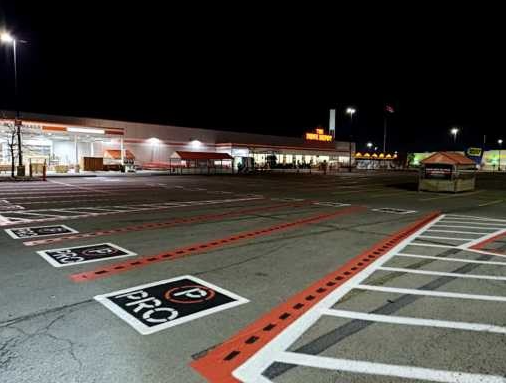
There is a wide variety of layouts used in the industry, each serving a specific regulatory or organizational purpose. Here are the most common line painting stencil types you will see on a modern job site:
- Handicap Symbols: The most recognized icon, used to designate accessible parking spaces in compliance with local accessibility laws.
- Directional Arrows: These guide the flow of traffic, indicating one-way lanes, turn lanes, and entrance or exit points.
- Numbered and Lettered Sets: Essential for marking reserved parking stalls, shipping docks, or specific bays in a warehouse.
- Fire Lane Markings: Critical for safety, these large-format text guides indicate areas where parking is strictly prohibited to allow emergency vehicle access.
- Pedestrian Crosswalk Icons: Often featuring a “walking person” symbol to alert drivers to high-foot-traffic zones.
- Electric Vehicle (EV) Charging Icons: A growing necessity for modern lots, these markings help reserve spots for green vehicles.
Selecting the Right Line Painting Stencil Types
Using a material that is too thin can lead to “overspray” or blurry edges, while a heavy material ensures the tool stays put even if there is a slight breeze during application. This precision is especially vital when completing industrial warehouse floor marking in high-traffic logistics hubs.
- LDPE (Low-Density Polyethylene): The industry standard for flexibility and ease of cleaning; paint simply flakes off once dry, keeping the edges sharp.
- Aluminum: Best for heavy-duty, long-term use where the layout needs to lie perfectly flat on uneven or textured surfaces.
- Brass: Often used for smaller, detailed lettering or numbering sets that require a sturdy frame for repeated use.
- Plywood or Cardboard: Typically reserved for one-time use or disposable custom jobs, though they lack the crisp edge of professional materials.
Why Professional Stencilling is Better than DIY Markings
While some property owners attempt to handle their own markings, professional application of the different kinds of stencils for line painting offers a level of quality that DIY kits cannot match. We use industrial-grade traffic paint that bonds specifically to asphalt and concrete for a finish that remains bright. Choosing the best paint for parking lots is the first step toward a result that resists fading.
Beyond just the tools, professional contractors bring an eye for design. This level of expertise ensures that your property remains compliant while looking its absolute best for years to come. Routine upkeep and knowing how to extend the life of your markings will protect your investment over the long term.
Secure Your Property Markings with Northern Element Contractors
Clear and professional pavement markings are the finishing touch every well-maintained property deserves. At Northern Element Contractors, we specialize in applying various types of pavement marking stencils to keep your lot safe and organized through our comprehensive commercial line painting services. Our team is dedicated to providing high-visibility results that enhance both the safety and the appearance of your facility. Contact us today to schedule your service or request a quote by calling +1 (647) 922 0400.