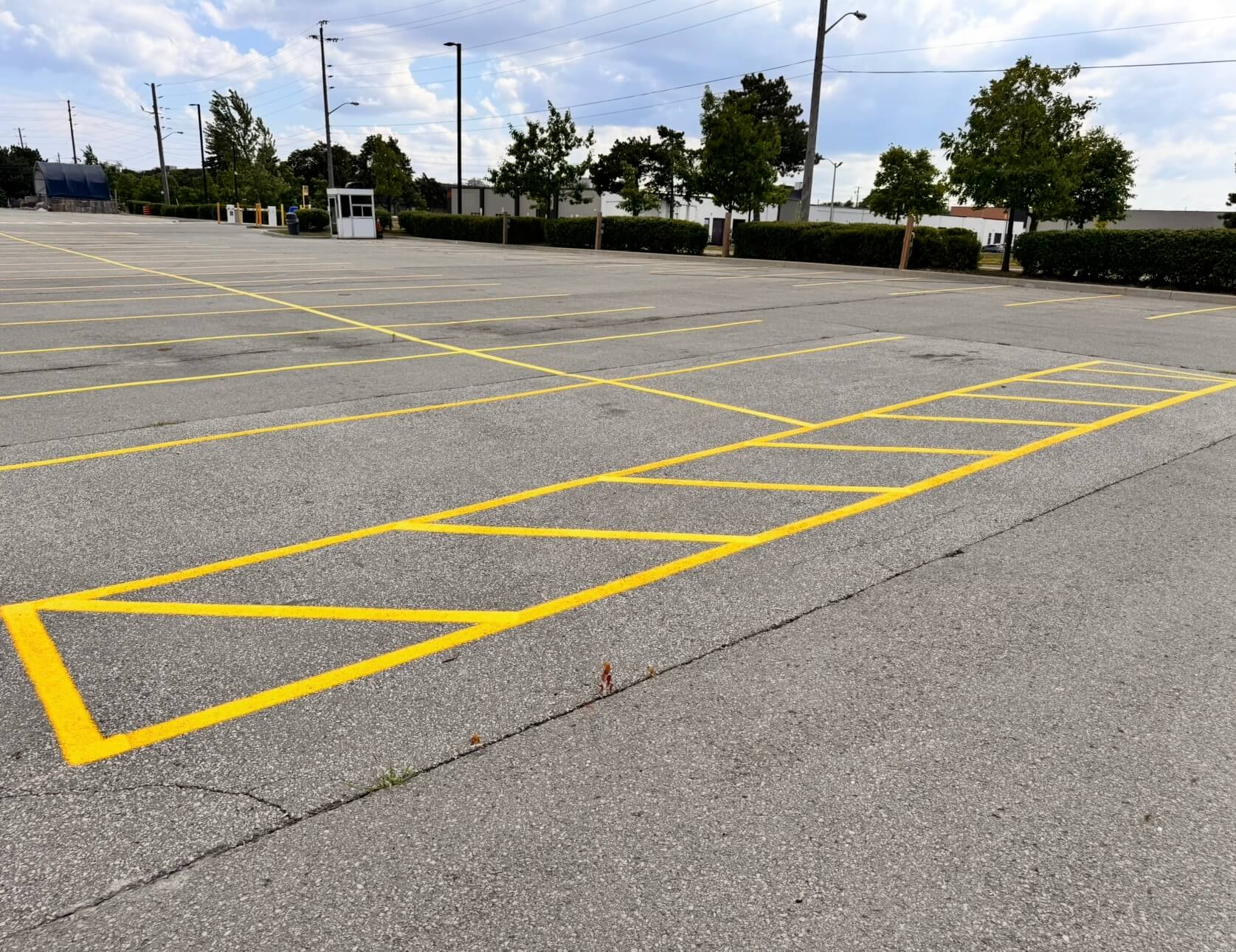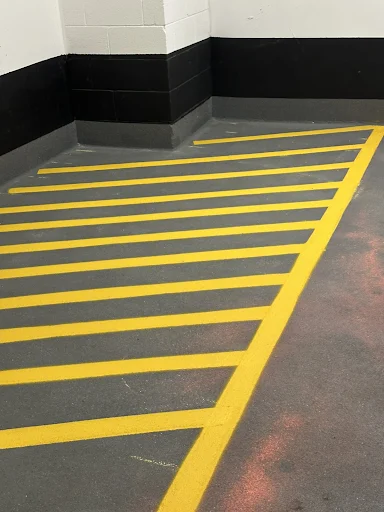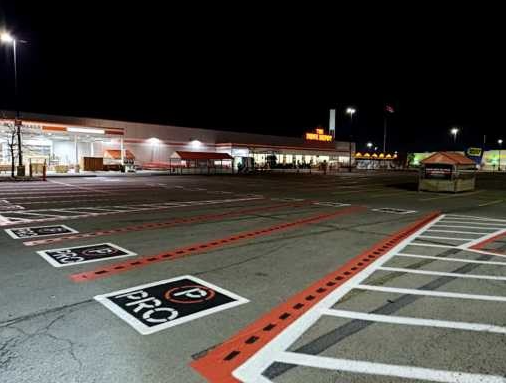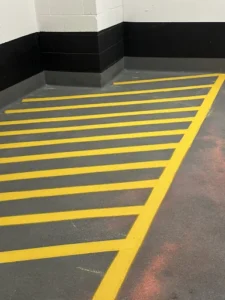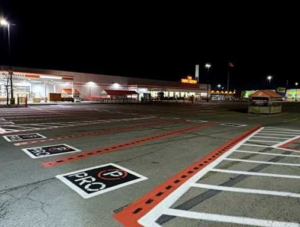
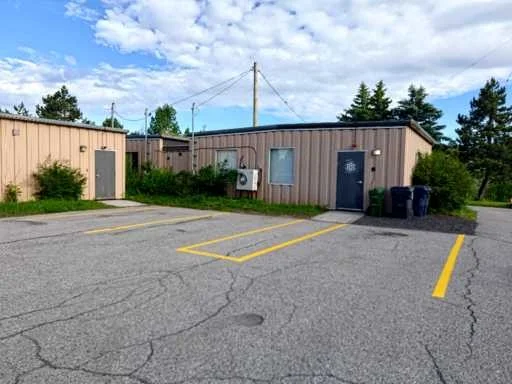
Timing is the most critical factor in pavement maintenance, especially in a province defined by its dramatic seasonal shifts. Identifying the best time for line painting in Ontario is the difference between a marking that lasts for years and one that peels within months. Achieving a professional finish requires a delicate balance of ambient temperature, surface moisture, and humidity levels. We understand that your parking lot serves as the first impression for your clientele, and applying high-quality traffic paint during the ideal window ensures your investment remains crisp and visible.
Key Takeaways
- The Ideal Window: Mid-May to early October offers the most consistent conditions for paint adhesion and rapid drying.
- Surface Preparation: Pavement must be completely dry for at least 24 hours before application to ensure a deep, lasting bond.
- Temperature Sensitivity: Adhering to strict paint curing temperature guidelines prevents premature flaking and brittle finishes.
- Strategic Scheduling: Planning around Ontario weather and line painting forecasts minimizes downtime and prevents rain-related washouts.
- Compliance: Proper timing ensures that safety zones remain vibrant and legally compliant without blocking access for long periods.
Making the Most Out of Parking Lot Painting Season
Managing a commercial property in the GTA or Niagara region requires a firm grasp of the parking lot painting season schedule. In Ontario, the industry generally begins in late April, but the real “sweet spot” starts in mid-May once the ground has finally thawed. If you attempt to paint too early in the year, the residual cold trapped in the asphalt can prevent the paint from forming a proper chemical film. A well-organized parking lotprioritizes the warmer months to ensure that your parking lot line painting achieves its full durability. Deciding on the ideal season often comes down to whether you require temporary vs permanent road markings to manage traffic effectively during an upcoming construction or renovation phase.
Environmental Variables: Ontario Weather and Line Painting
The relationship between Ontario weather and line painting is complex and dictates every move a professional contractor makes. Our local climate can shift from a humid heatwave to a sudden thunderstorm in a matter of hours, making real-time monitoring of the forecast a top priority. Furthermore, wind speed is a factor; excessive wind can cause overspray, which is particularly problematic when working near parked vehicles or high-end car dealership spaces where perfection is mandatory.
Vital Conditions for Paint Adhesion and Longevity
To get the most out of the best time for line painting Ontario offers, the following conditions must be met for a successful application:
- Surface Heat: The asphalt temperature should ideally be between 10°C and 30°C for the best chemical bond.
- Bone-Dry Asphalt: There should be no rain in the forecast for at least 12 to 24 hours following the application.
- Debris Removal: All winter sand and salt must be power-swept to allow the paint to touch the aggregate directly.
- Low Humidity: Aim for levels below 80% to ensure the water or solvent evaporates at the correct rate.
- Strategic Timing: We often begin work in the early morning after the dew has evaporated to maximize the daylight drying window and reduce traffic hassle.
Why Technical Precision Matters: Paint Curing Temperature Guidelines
Following specific paint curing temperature guidelines is the technical backbone of a long-lasting marking. Most professional-grade traffic paints are designed to be applied when the ambient air and the surface temperature are at least 10°C and rising. If the temperature drops below this threshold during the first few hours of drying, the paint’s molecular structure may fail to cross-link properly. This results in a brittle finish that will likely flake off during the first snowplowing of the season. By respecting these paint curing temperature guidelines, we ensure that services like road marking line painting or high-visibility bike lane painting can withstand heavy friction and abrasive road salt.
Maximizing the Summer Window for Specialized Markings
Once the best time for line painting in Ontario is in full swing, it is also the perfect opportunity to address more detailed markings that require absolute precision. Summer is the ideal time for installing stencil markings such as directional arrows, “No Parking” text, or handicap symbols. These intricate designs often require multiple layers or different colours, and the fast drying times of July and August make this process much more efficient. Investing in a professional application during these warmer months ensures you receive the full benefits of precision line painting for commercial and industrial sites that keep facilities organized and safe.
Conclusion
Choosing the best time for line painting in Ontario is a strategic decision that pays off in the longevity and safety of your pavement. By aligning your maintenance with the proper parking lot painting season schedule and respecting environmental limits, you ensure a professional finish that stands up to the elements. Don’t wait until the autumn frost begins to settle; proactive planning is the key to a vibrant, well-organized lot with minimal operational downtime. For expert advice and a free quote on your next project, contact Northern Element Contractors today at +1 (647) 922 0400.