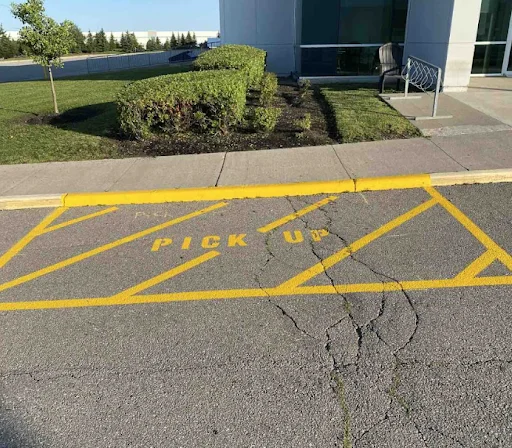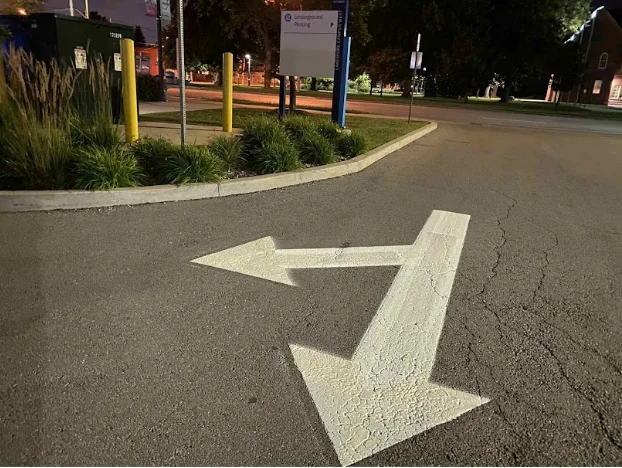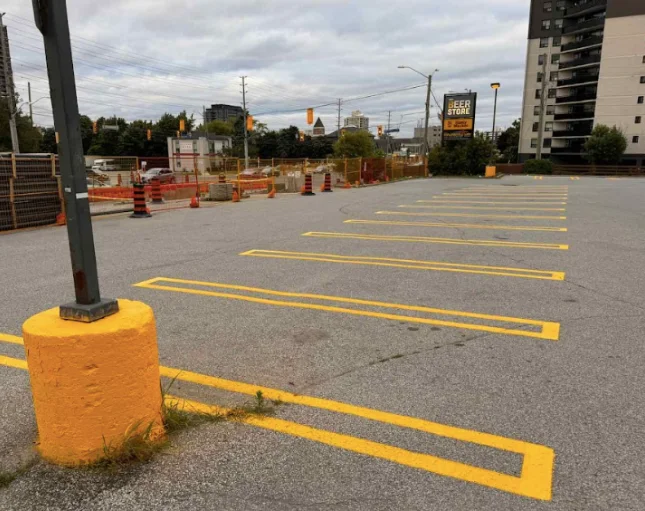
Roadway safety and traffic flow depend heavily on the clarity and durability of markings on asphalt and concrete surfaces. Choosing between temporary vs permanent road markings is an essential part of project planning. Both types support safety and traffic control in different ways, and understanding their purpose helps ensure the right approach for each phase of construction or maintenance work in Ontario.
Whether you are coordinating municipal resurfacing, adjusting traffic for a short-term event, or completing a long-term road upgrade, knowing how they function will help you make informed decisions about materials, visibility, and durability.
Key Takeaways
- Temporary vs permanent road markings serve different roles depending on project duration.
- Temporary road markings and signs support flexible, short-term traffic control needs.
- Permanent road markings and permanent road signs provide long-lasting clarity for everyday travel.
What Temporary Road Markings Are Designed For
Temporary markings guide traffic safely through construction zones, resurfacing work, or detours. Temporary road markings focus on visibility, ease of application, and clean removal once the project advances. Materials include removable paints, chalk coatings, and temporary road marking tape, all of which support rapid changes in work zones.
Short-term pedestrian or vehicle rerouting often reflects the structured approach seen in pedestrian lane paint and traffic management.
Temporary markings typically work with temporary road signs, providing drivers with clear direction even when the roadway layout shifts frequently.
Understanding Permanent Road Markings and Their Long-Term Value
Permanent markings define the final layout of a roadway. They rely on durable permanent road marking paint that withstands friction, weather, and road salt. These markings are essential for lanes, crosswalks, bike paths, turning routes, and stop points.
Municipalities and commercial facilities strengthen long-term travel safety through services such as road marking in Ontario.
Durability plays a significant role, especially in environments that benefit from traffic line paint reliability. Permanent markings and permanent road signs work together to provide guidance that drivers can rely on in every season.
Comparing Temporary vs Permanent Road Markings
Flexibility
Temporary markings adapt easily to lane shifts, detours, and evolving work zones. Permanent markings are meant to stay in place once the construction phase ends.
Visibility
Permanent markings use reflective materials that provide nighttime visibility and weather resistance. Temporary markings prioritize short-term clarity rather than long-term endurance.
Cost
Temporary markings are more affordable and require less preparation. Permanent markings cost more initially but have lower long-term maintenance needs due to their durability.
Choosing the Right Marking Type for Your Project
The decision between temporary and permanent road markings depends on project duration, construction stage, and expected traffic volume. Temporary markings are ideal for short-term lane adjustments, detours, or resurfacing work. Permanent markings complete the final design once the project is ready for long-term use.
Commercial sites such as plazas and business complexes often complete their final layout with support from parking lot line painting in Ontario.
In many cases, both marking types are used on the same project. Temporary markings keep drivers safe during construction, while permanent markings finalize the roadway design when work is complete.
How These Markings Influence Safety and Efficiency
Road markings serve as a visual language that drivers interpret instinctively. Clear markings guide movement, reduce hesitation, and lower the risk of unpredictable lane changes. Temporary markings are especially valuable in unfamiliar work zones, while permanent markings build predictable travel patterns that remain consistent over time. Symbols and line styles influence how drivers react to roadway information. Both marking types contribute to safe and efficient transportation systems across Ontario.
Conclusion
Temporary vs permanent road markings each play an important role in shaping driver behaviour, managing work zones, and supporting long-term roadway safety. Temporary markings deliver flexibility and clarity during active construction, while permanent markings provide reliable guidance for years. Understanding how both function ensures the right approach for your project from start to finish.
For professional support or guidance, contact Northern Element Contractors at info@northernelementcontractors.ca or call +1 (647) 922-0400.