Understanding road marking symbols’ meaning is essential for every driver and cyclist. These markings guide traffic, enhance safety, and clarify lane usage across highways, streets, and local roads. Recognizing what each line, arrow, or symbol indicates can prevent accidents and improve traffic flow. This guide breaks down traffic road marking, highway line symbols, and street marking symbols’ meaning so you can navigate confidently.
Key Takeaways
- Road markings communicate lane rules, pedestrian crossings, and hazard warnings.
- Different colours and shapes convey specific messages, from no-parking zones to turning lanes.
- Pavement marking symbols’ meaning includes arrows, lines, and patterns that ensure safe travel.
- Understanding traffic lane markings’ meaning reduces confusion and supports safer driving habits.
What Road Markings Communicate
Road markings are more than just lines on pavement. Each symbol conveys a clear message to drivers, pedestrians, and cyclists. Solid lines typically indicate no passing zones, while broken lines allow lane changes when safe. Yellow lines separate opposing traffic, and white lines separate lanes moving in the same direction. Other symbols, like arrows, diamonds, and bicycle icons, direct movement, indicate turning restrictions, and highlight shared lanes.
Common Road Marking Symbols Explained
Understanding the basics helps everyone stay safe. Here are some commonly seen symbols:
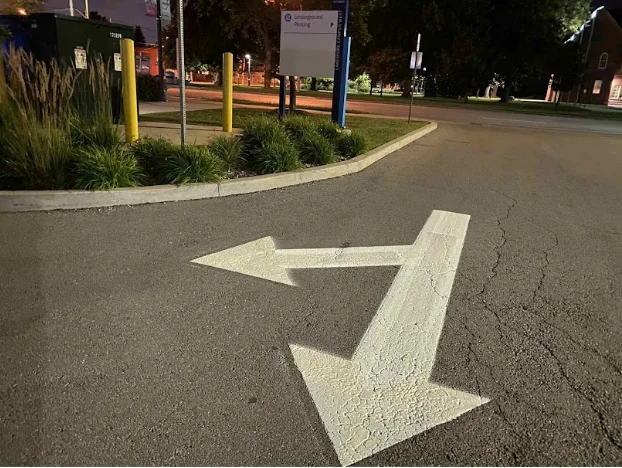
- Arrows: Direct lane use for turning or continuing straight.
- Stop Lines: Thick white lines at intersections signal drivers to stop.
- Crosswalks: Zebra stripes indicate pedestrian crossing areas.
- Lane Lines: Broken or solid lines distinguish passing rules and lane boundaries.
- Diamond Symbols: Often mark high-occupancy vehicle lanes or reserved lanes.
- Bicycle Symbols: Indicate bike lanes or shared paths.
These examples cover a portion of what traffic road marking symbols entail. For a more detailed understanding, you can explore our road marking services for Ontario roads and reflective signage painting to see how markings are applied for maximum visibility.
Highway Line Symbols Meaning
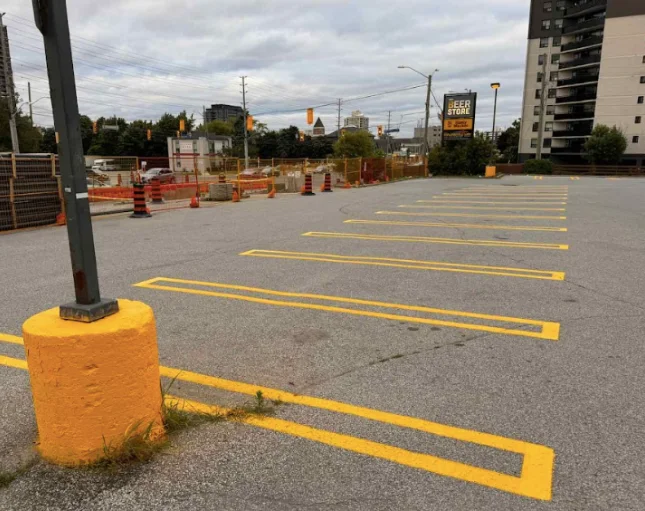
Highway markings follow strict standards to ensure clarity and safety at high speeds. Solid yellow lines warn against crossing into oncoming traffic, while double yellow lines reinforce the no-passing rule. White lane markings divide traffic moving in the same direction. Rumble strips along the edge alert drivers who veer off lanes. Properly maintained highway line symbols’ meaning can prevent accidents and guide smooth traffic flow, especially in challenging weather conditions.
Pavement Marking Symbols Meaningfor Local Roads
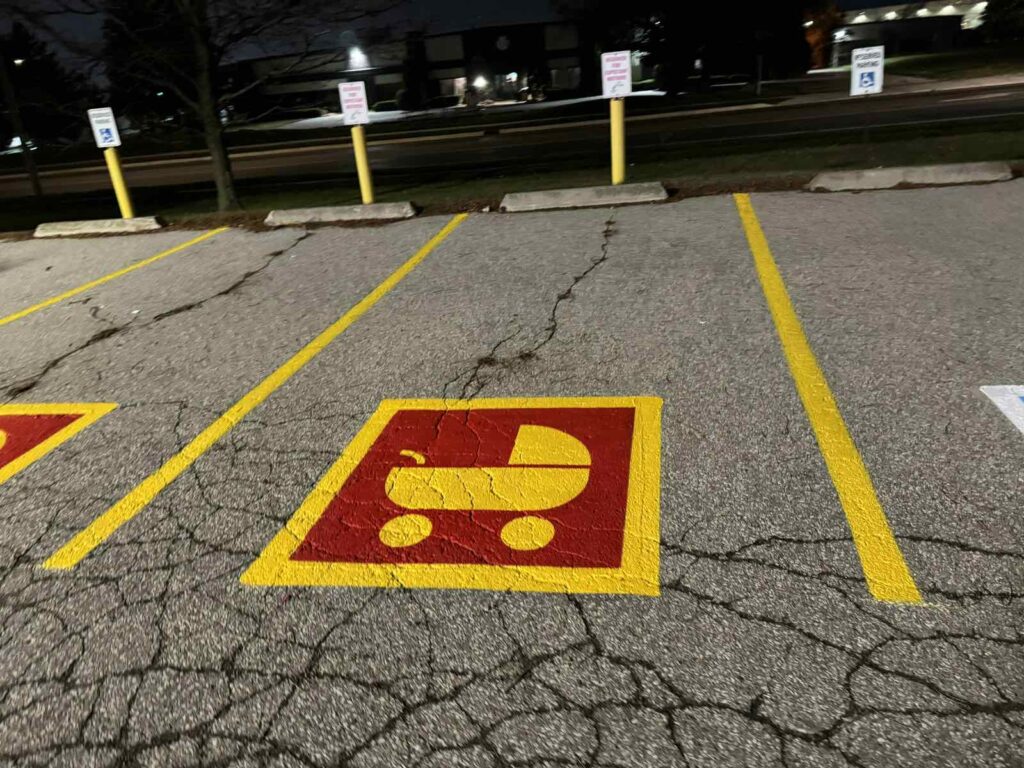
Local roads and streets often use additional symbols for guidance. Stop bars, pedestrian crossings, bike lanes, and school zones communicate special instructions. Street marking symbols explained may also include arrows for turns, chevrons for merging lanes, and warning lines near intersections. These markings ensure that drivers and cyclists understand their responsibilities, reducing congestion and risk of collisions.
Traffic Lane Markings: Meaning for Every Driver
Traffic lane markings meaning is vital for consistent road use. Solid lines indicate areas where lane changes are unsafe, while broken lines provide flexibility. Turn lanes and dedicated bike lanes often include arrows or icons painted on the pavement. Keeping an eye on these markings helps drivers maintain correct positioning and follow the intended flow, which is essential for highway and urban driving.
The Benefits of Clear Road Markings
Clear road markings enhance safety for all road users. They:
- Reduce accidents by guiding drivers, cyclists, and pedestrians.
- Improve traffic flow and prevent lane confusion.
- Highlight hazards, turns, and pedestrian areas effectively.
- Support safe driving in various weather conditions.
- Integrate with reflective coatings to ensure visibility at night.
For practical applications, consider learning about bike lanes in Ontario and how dedicated pathways improve safety for cyclists alongside regular traffic.
Best Practices for Understanding Road Markings
- Always observe the colour and pattern of pavement lines.
- Follow directional arrows and lane restrictions.
- Respect pedestrian crossings and bike lane symbols.
- Check for reflective or temporary markings that may appear during construction projects.
- Stay informed about local changes or new markings for updated traffic regulations.
Additionally, reading blogs like temporary and permanent road markings for your project or reflective road paint for safer roads can provide extra insight into the technology and reasoning behind road marking applications.
Conclusion
Road marking symbols’ meaning is more than a set of lines and shapes; it is an essential communication system that keeps streets safe. Recognizing the patterns, arrows, and symbols on highways and local roads improves traffic flow and reduces risks. For professional installation and maintenance of pavement markings, you can rely on experts like Northern Element Contractors. Contact us today at +1 (647) 922-0400 to learn more about services like road marking, reflective signage, and bike lane implementation.